How Upgrading Windows and Siding Boosts Home Appraisal Value and Energy Ratings
Exploring the impact of upgrading windows and siding on home appraisal value and energy ratings, this introduction sets the stage for a comprehensive discussion. It delves into the significance of these upgrades in enhancing both the financial worth and energy efficiency of a home, making it a compelling read for homeowners looking to elevate their property’s value.
Furthermore, it sheds light on the different types of materials available for these upgrades, the cost considerations, and the overall benefits that can result from such improvements. The following paragraphs aim to provide valuable insights into how these upgrades can truly transform a home.
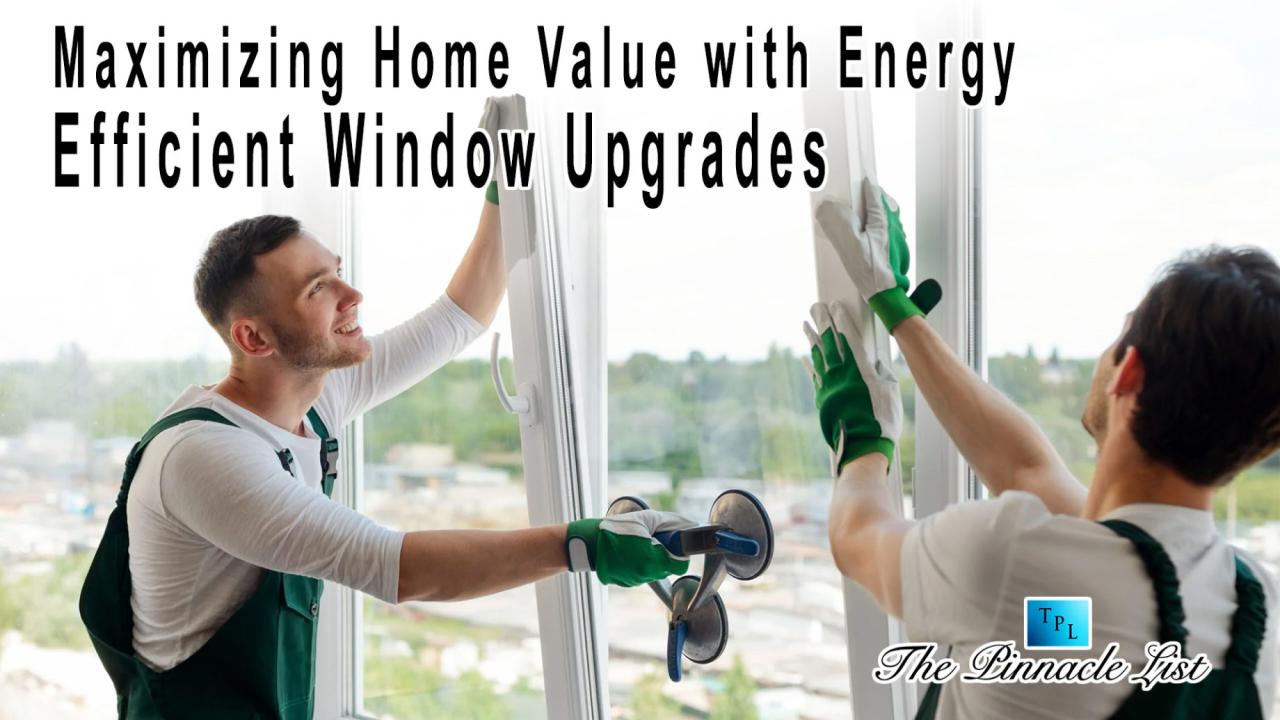
Upgrading windows and siding can have a significant impact on the overall appraisal value of a home. These upgrades not only enhance the curb appeal but also improve the energy efficiency of the property, making it more attractive to potential buyers.
When you upgrade your windows and siding to newer, more energy-efficient models, you are essentially increasing the overall value of your home. Appraisers take into account the quality and condition of these components when assessing the worth of a property, so investing in high-quality windows and siding can lead to a higher appraisal value.
One of the key benefits of upgrading windows and siding is the improvement in energy efficiency. Energy-efficient windows and siding help regulate indoor temperatures, reducing the need for heating and cooling systems to work overtime. This results in lower energy bills for homeowners and a higher energy rating for the property, which is a valuable selling point.
In addition to the financial benefits, upgrading windows and siding can also enhance the aesthetic appeal of a home. New windows and siding can give a property a fresh, modern look, increasing its curb appeal and making it more visually appealing to potential buyers.
This can translate to a faster sale and a higher selling price.
When upgrading your home’s windows and siding, it’s essential to consider the different types of materials available. Each material comes with its own set of benefits and considerations that can impact the overall look, durability, maintenance, and energy efficiency of your home.
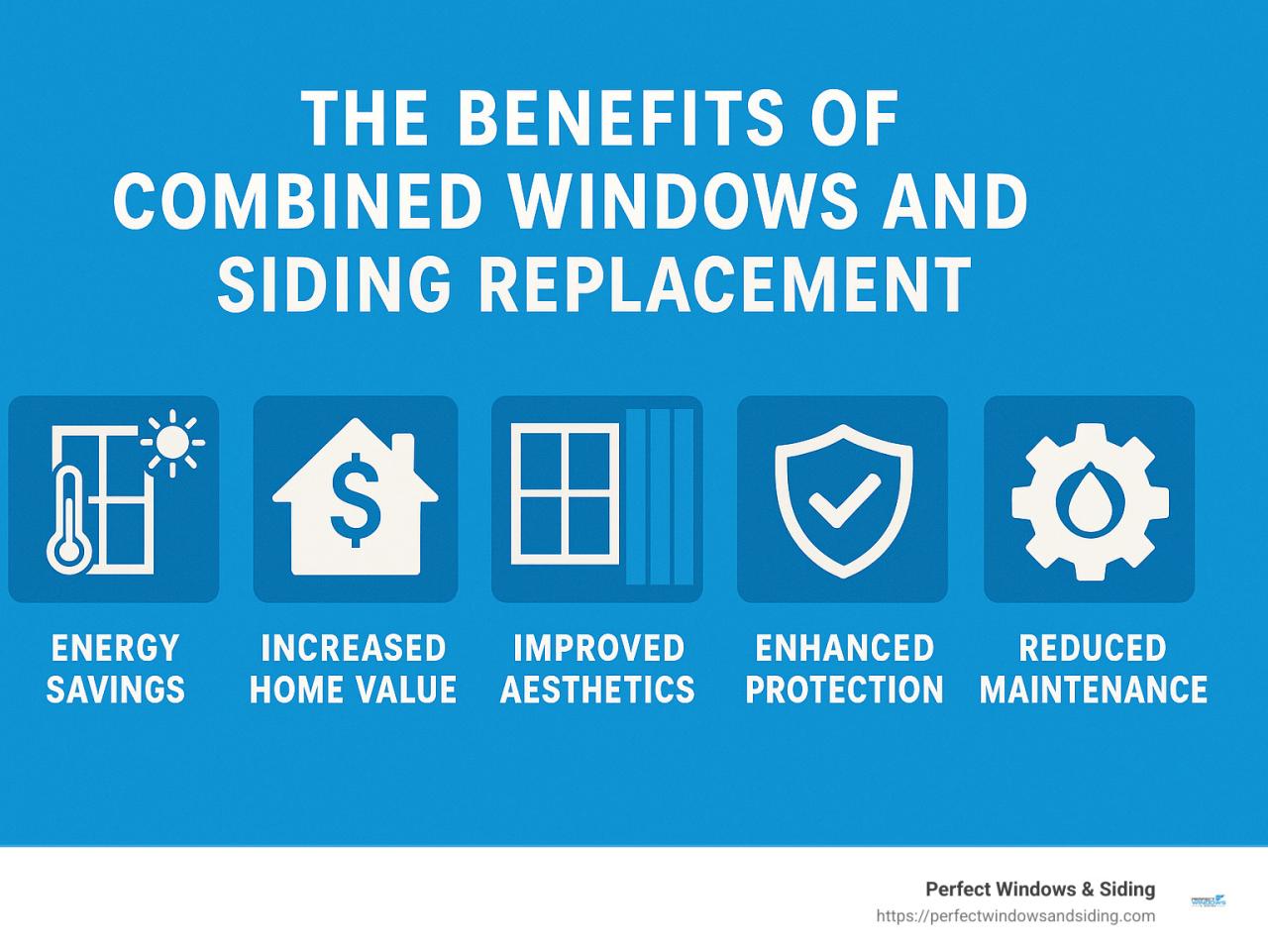
When considering upgrading windows and siding, it’s essential to understand the initial costs involved and the potential return on investment (ROI) these upgrades can provide. Let’s delve into the financial aspects of these home improvements.
The initial costs associated with upgrading windows and siding can vary depending on factors such as the size of your home, the quality of materials chosen, and the complexity of the installation process. On average, homeowners can expect to pay anywhere from $8,000 to $20,000 for new windows and $6,000 to $25,000 for new siding.
These costs include materials, labor, and any additional expenses related to the project.
Despite the initial investment, upgrading windows and siding can significantly increase the value of your home. According to Remodeling Magazine’s 2021 Cost vs. Value Report, replacing windows and siding can offer a high return on investment, with an average ROI of over 70%.
This means that you can potentially recoup more than two-thirds of the initial cost when you decide to sell your home.
While the upfront costs of upgrading windows and siding may seem significant, the long-term savings on energy bills can offset these expenses. Energy-efficient windows and insulated siding can help reduce heat loss in the winter and heat gain in the summer, resulting in lower energy consumption and reduced utility bills.
Over time, these savings can add up, making the initial investment in new windows and siding more cost-effective in the long run.
Upgrading windows and siding can have a significant positive impact on the overall appraisal value of a home. These improvements not only enhance the aesthetic appeal of the property but also contribute to its energy efficiency and structural integrity, which are crucial factors appraisers consider when evaluating a home’s worth.
When appraising a home with upgraded windows and siding, appraisers take into account various factors such as the quality of materials used, the energy efficiency ratings of the windows, the overall condition of the siding, and the curb appeal of the property.
Appraisers also consider the installation process and whether the upgrades comply with building codes and regulations.
For instance, a case study conducted on a property that underwent window and siding upgrades showed a significant increase in its appraisal value. The new energy-efficient windows and durable siding not only improved the home’s energy ratings but also enhanced its overall appearance.
As a result, the property was appraised at a higher value than before the upgrades, showcasing the tangible benefits of investing in quality windows and siding.
Upgrading windows and siding can significantly improve a home’s energy efficiency, leading to reduced heating and cooling costs and a more comfortable living environment. This enhanced energy efficiency can also positively impact the overall value of the home.
Energy-efficient windows and siding are designed to minimize heat transfer, keeping the interior of the home at a consistent temperature throughout the year. By preventing heat loss in the winter and heat gain in the summer, these upgrades can lead to lower energy bills and reduced reliance on heating and cooling systems.
Energy ratings, such as ENERGY STAR certification, indicate that a home meets or exceeds specific energy efficiency standards set by the Environmental Protection Agency. Homes with ENERGY STAR certified windows and siding are not only more energy efficient but also more attractive to potential buyers who value sustainability and cost savings.
By investing in energy-efficient windows and siding, homeowners can enjoy lower energy bills, increased comfort, and a higher home appraisal value.
How much can upgrading windows and siding increase home appraisal value?
Upgrading windows and siding can potentially increase home appraisal value by several thousand dollars, depending on the quality of materials and overall improvement in energy efficiency.
Are there any tax incentives for upgrading to energy-efficient windows and siding?
Yes, homeowners may be eligible for tax credits or rebates for installing energy-efficient windows and siding, as these upgrades contribute to environmental conservation.
Do energy-efficient windows and siding really make a significant impact on reducing energy bills?
Absolutely, energy-efficient windows and siding can lead to noticeable reductions in heating and cooling costs over time, offering long-term savings for homeowners.