
Commercial Flat Roof Drainage Solutions: How to Stop Standing Water and Leaks
Exploring the realm of Commercial Flat Roof Drainage Solutions: How to Stop Standing Water and Leaks, this introduction draws readers in with a captivating narrative, blending engaging insights with informative details right from the start.
The following paragraph delves deeper into the intricacies of the topic, providing a comprehensive overview that sets the stage for a detailed discussion.
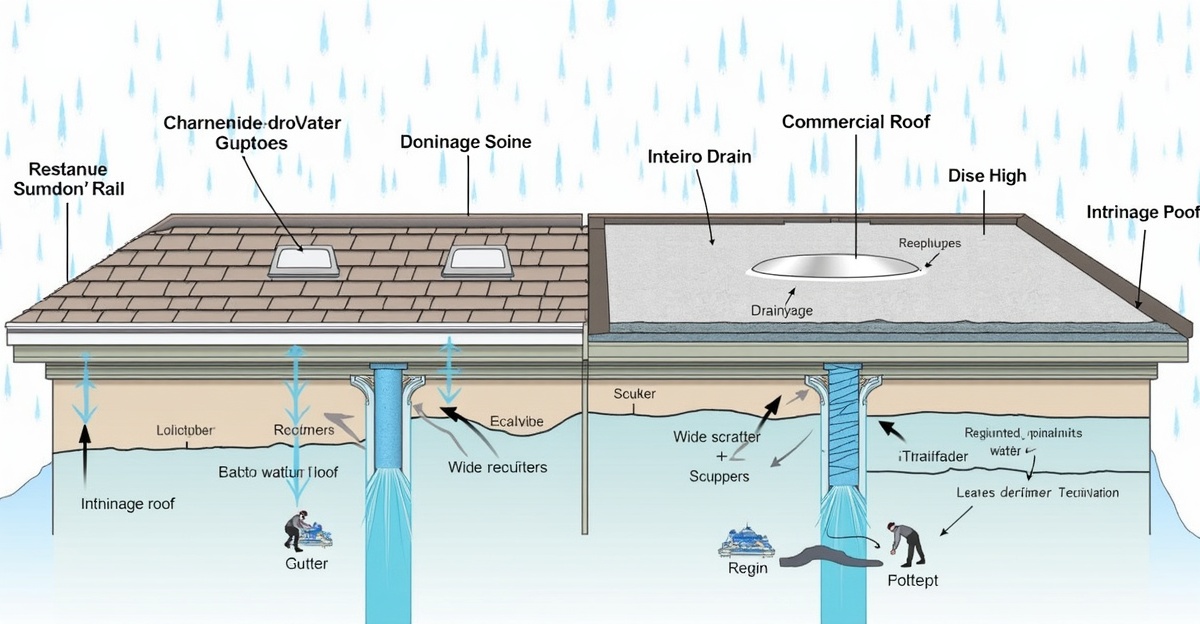
Proper drainage for commercial flat roofs is essential to maintain the structural integrity and longevity of the building. Without effective drainage solutions in place, standing water can accumulate on the roof, leading to a host of issues that can compromise the safety and functionality of the building.
Effective drainage solutions, such as installing roof drains, scuppers, and gutters, can help prevent these negative effects. By directing water away from the roof and towards the proper channels, drainage systems can ensure that water does not pool on the surface and cause damage.
Regular maintenance of these systems is also crucial to ensure they function properly and prevent any potential issues.
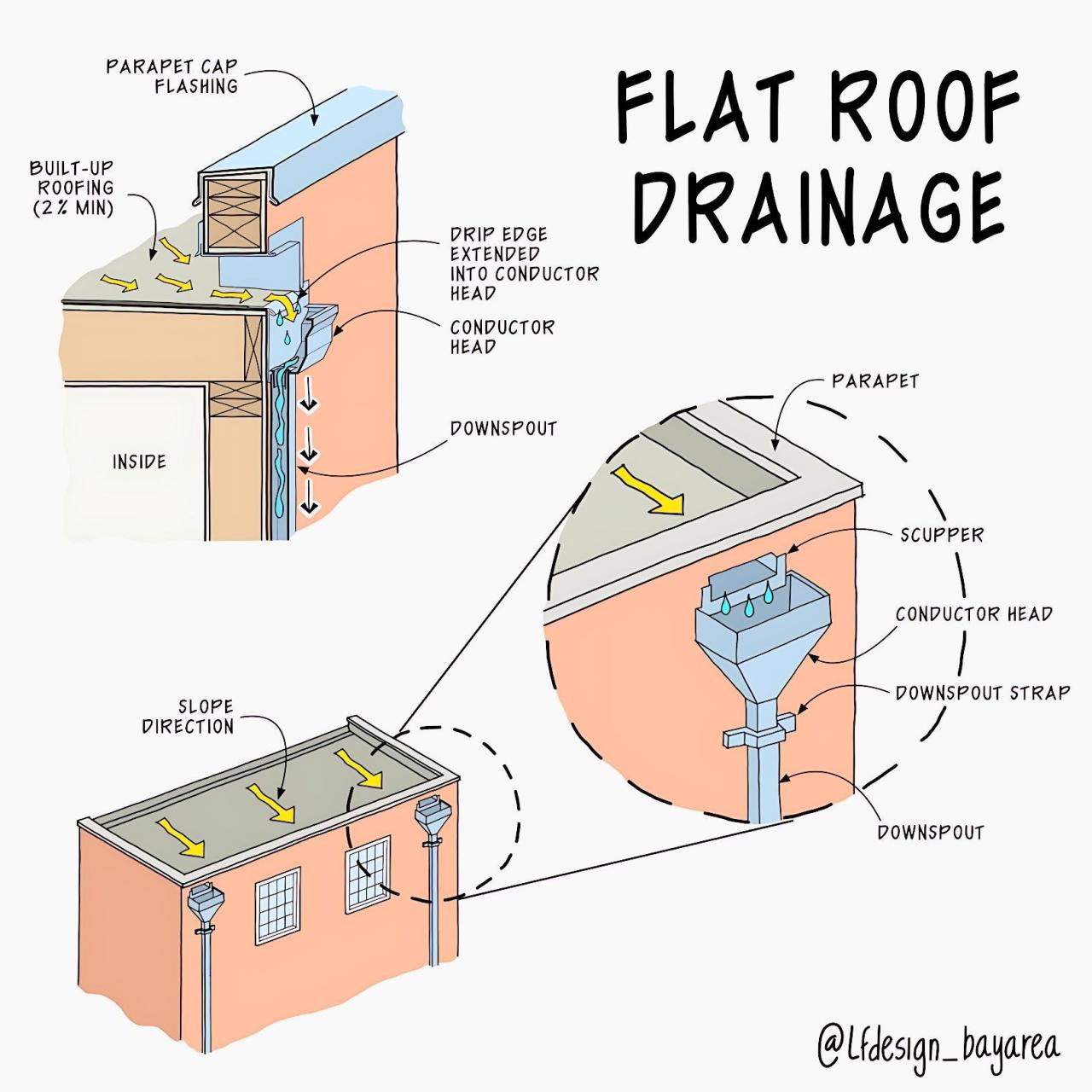
Standing water on commercial flat roofs can be a significant issue that leads to leaks, structural damage, and other costly problems. Understanding the common causes of standing water is crucial in order to prevent these issues from arising.
Improper installation of the roofing system can result in low spots or areas where water collects. This can be due to an inadequate slope that does not allow water to drain properly, leading to standing water on the roof surface.
Clogged or blocked drains can prevent water from flowing off the roof efficiently. Debris, such as leaves, branches, or dirt, can accumulate in the drains and impede the drainage system’s functionality, causing water to pool on the roof.
An inadequate slope or pitch on a flat roof can hinder water drainage. If the roof is not sloped correctly, water may not flow towards the drains as intended, resulting in standing water in certain areas.
Weather conditions, such as heavy rainfall or snow accumulation, can exacerbate standing water issues on flat roofs. Excessive precipitation can overwhelm the drainage system and lead to water pooling on the roof surface.
Improving drainage on commercial flat roofs is crucial to prevent standing water and leaks. There are several methods to enhance drainage, including the installation of roof drains, scuppers, or gutters. Each solution has its own benefits and effectiveness based on the size of the roof and the type of building.
Roof drains are one of the most common solutions for flat roof drainage. These drains are installed at low points on the roof to direct water towards a downspout and away from the building. The installation process involves cutting an opening in the roof, inserting the drain, and sealing it securely to prevent leaks.
Scuppers are openings in the parapet walls of the roof that allow water to drain off the roof. They are a simple and effective way to prevent standing water, especially in areas with heavy rainfall. The installation of scuppers involves cutting openings in the walls and ensuring proper drainage away from the building.
Gutters are another popular option for improving flat roof drainage. They collect water from the roof and direct it towards downspouts that carry the water away from the building’s foundation. Gutters need to be properly sloped and maintained to ensure efficient water flow and prevent clogs.
The effectiveness of each drainage solution depends on various factors such as roof size, slope, and building type. Roof drains are ideal for larger roofs with multiple low points, while scuppers are more suitable for smaller roofs with parapet walls.
Gutters are versatile and can be used in combination with other drainage systems for optimal performance.
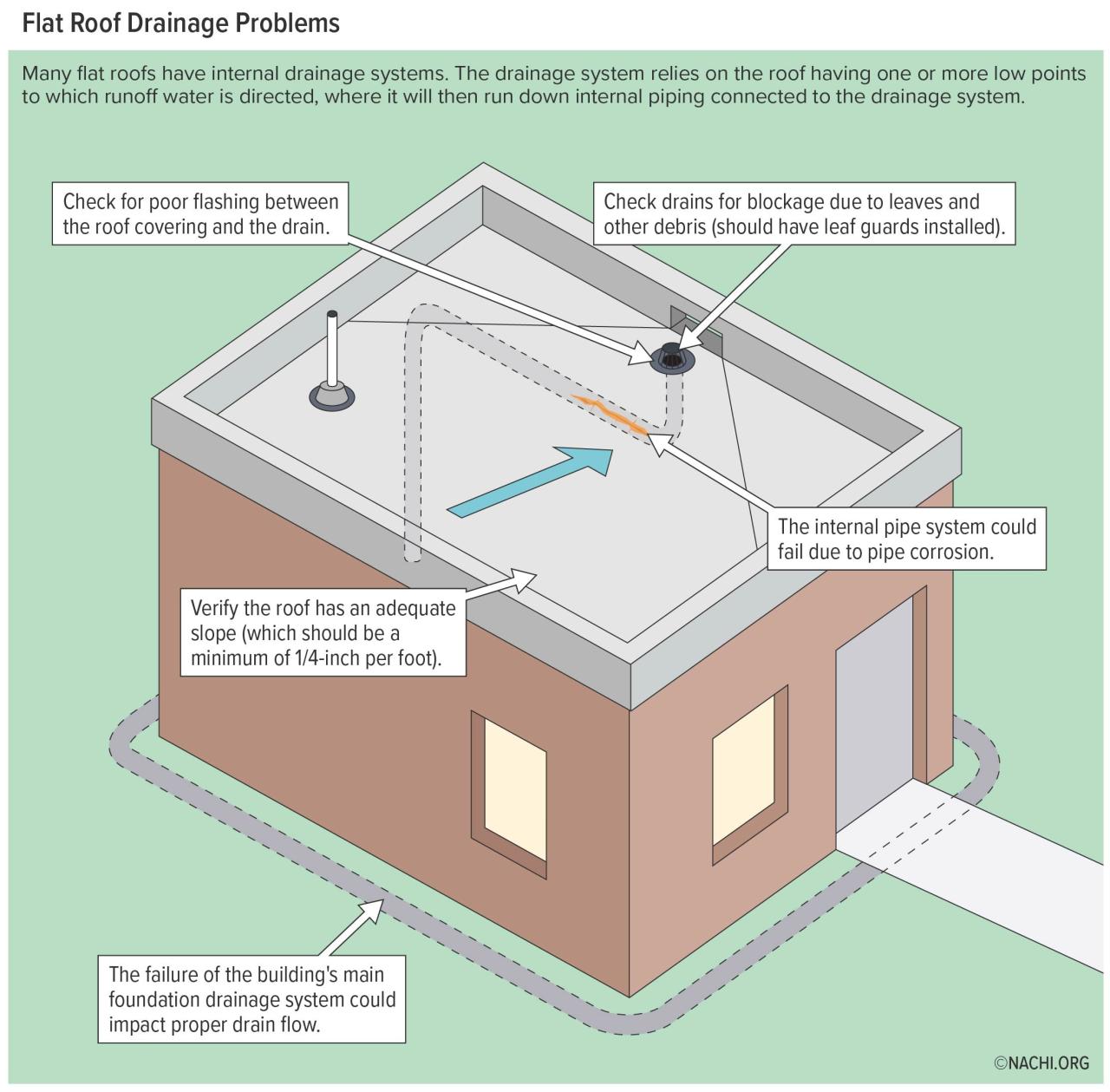
Regular maintenance is crucial to ensure the proper functioning of drainage systems on commercial flat roofs. By performing routine inspections and cleaning, you can prevent leaks and standing water, ultimately avoiding costly repairs due to water damage.
What are some common causes of standing water on commercial flat roofs?
Common causes include poor installation, clogged drains, and improper slope, leading to water accumulation issues.
How can regular maintenance help prevent leaks and standing water on flat roofs?
Regular inspections and cleaning routines are crucial to ensure proper drainage system functionality, ultimately preventing leaks and standing water.
Why is proactive maintenance important in avoiding costly repairs due to water damage?
Proactive maintenance helps identify issues early on, preventing extensive damage that could lead to costly repairs in the future.