Business Debt Consolidation Loans: Costs, Rates, and When They Make Sense
Beginning with Business Debt Consolidation Loans: Costs, Rates, and When They Make Sense, the narrative unfolds in a compelling and distinctive manner, drawing readers into a story that promises to be both engaging and uniquely memorable.
As we delve into the realm of business debt consolidation loans, we uncover a world of financial strategies that can reshape the way businesses manage their debts.
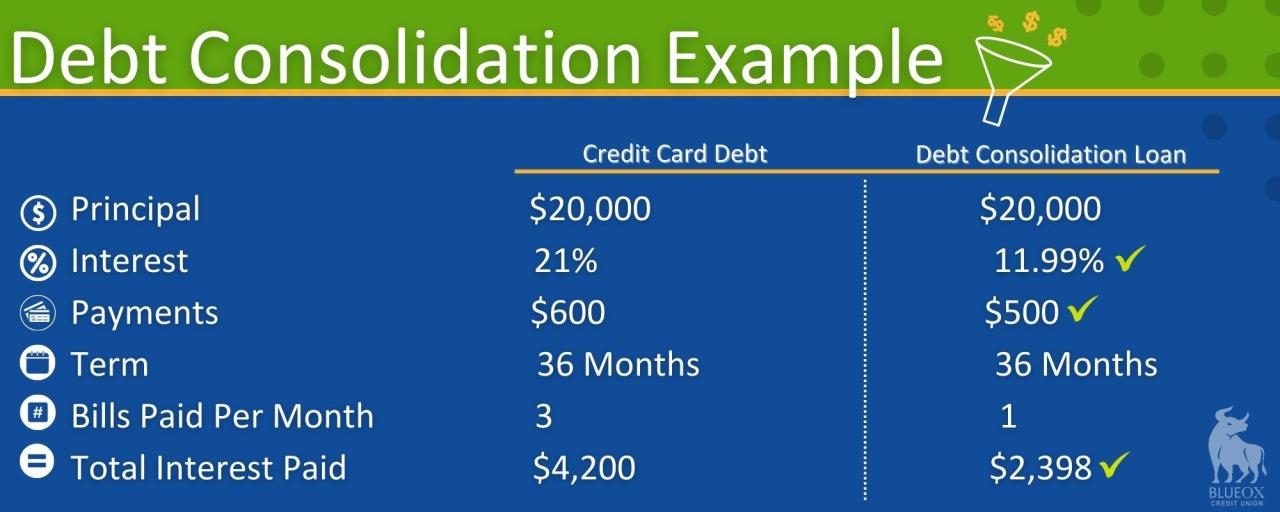
Business debt consolidation loans are financial products that allow businesses to combine multiple debts into a single loan with a lower interest rate and more manageable payment terms. This can help businesses streamline their debt repayment process and potentially save money on interest payments over time.
When considering a business debt consolidation loan, it’s important to understand the various costs involved. These costs can vary depending on the lender and the specific terms of the loan.
One of the primary costs associated with business debt consolidation loans is the interest rate. This rate will vary based on the lender, your creditworthiness, and the current market conditions. It’s important to pay attention to the Annual Percentage Rate (APR), which includes not only the interest rate but also any additional fees or charges.
Some lenders may charge origination fees to process your loan application. These fees are typically calculated as a percentage of the total loan amount and can add to the overall cost of the loan.
Before signing a loan agreement, be sure to check if there are any prepayment penalties. These fees are charged if you pay off the loan early, potentially negating any savings you may have gained from consolidating your debt.
When comparing the costs of business debt consolidation loans with other financing options, consider factors such as interest rates, fees, and repayment terms. While debt consolidation loans may offer lower interest rates compared to credit cards, they may come with additional fees that need to be taken into account.
In addition to the costs mentioned above, businesses should also be aware of any late payment fees, returned check fees, or other potential charges that may be associated with a business debt consolidation loan. It’s essential to carefully review the terms and conditions of the loan agreement to understand all the fees involved.
When it comes to business debt consolidation loans, understanding the interest rates and repayment terms is crucial for making informed decisions. Let’s delve into how interest rates are typically determined, the importance of repayment terms, and how businesses can negotiate favorable rates and schedules.
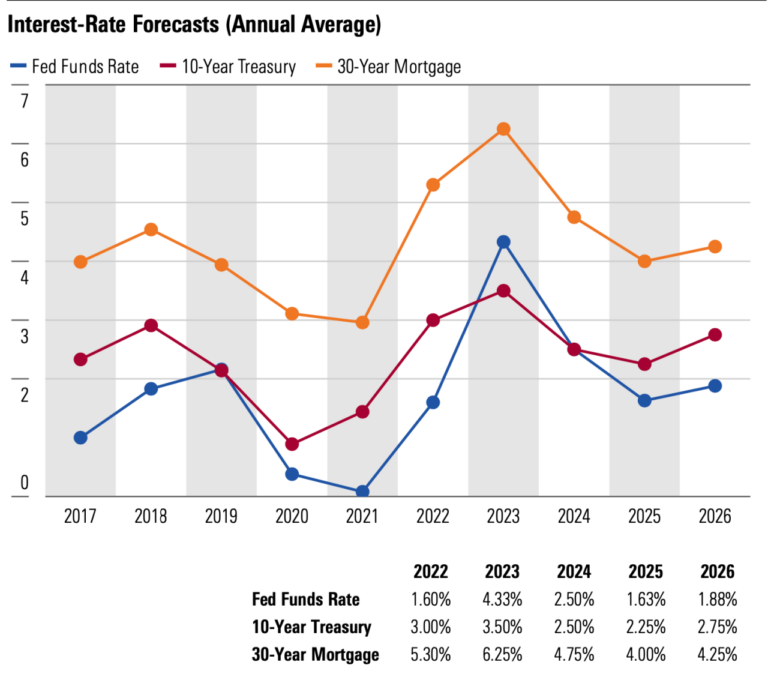
Interest rates for business debt consolidation loans are usually determined based on factors such as the business’s creditworthiness, the loan amount, and the lender’s policies. Lenders may offer fixed or variable interest rates, with fixed rates remaining the same throughout the loan term, while variable rates can fluctuate based on market conditions.
Repayment terms play a significant role in the overall cost and feasibility of a consolidation loan. Longer repayment terms may result in lower monthly payments but higher overall interest costs, while shorter terms can lead to higher monthly payments but lower total interest expenses.
It’s essential for businesses to carefully consider their cash flow and financial goals when choosing repayment terms.
Businesses can negotiate favorable interest rates and repayment schedules by leveraging their strong credit history, showcasing a solid business plan, and demonstrating the ability to repay the loan. It’s advisable to shop around and compare offers from different lenders to secure the best possible terms.
Negotiating with lenders can help businesses tailor the loan to their specific needs and financial circumstances.
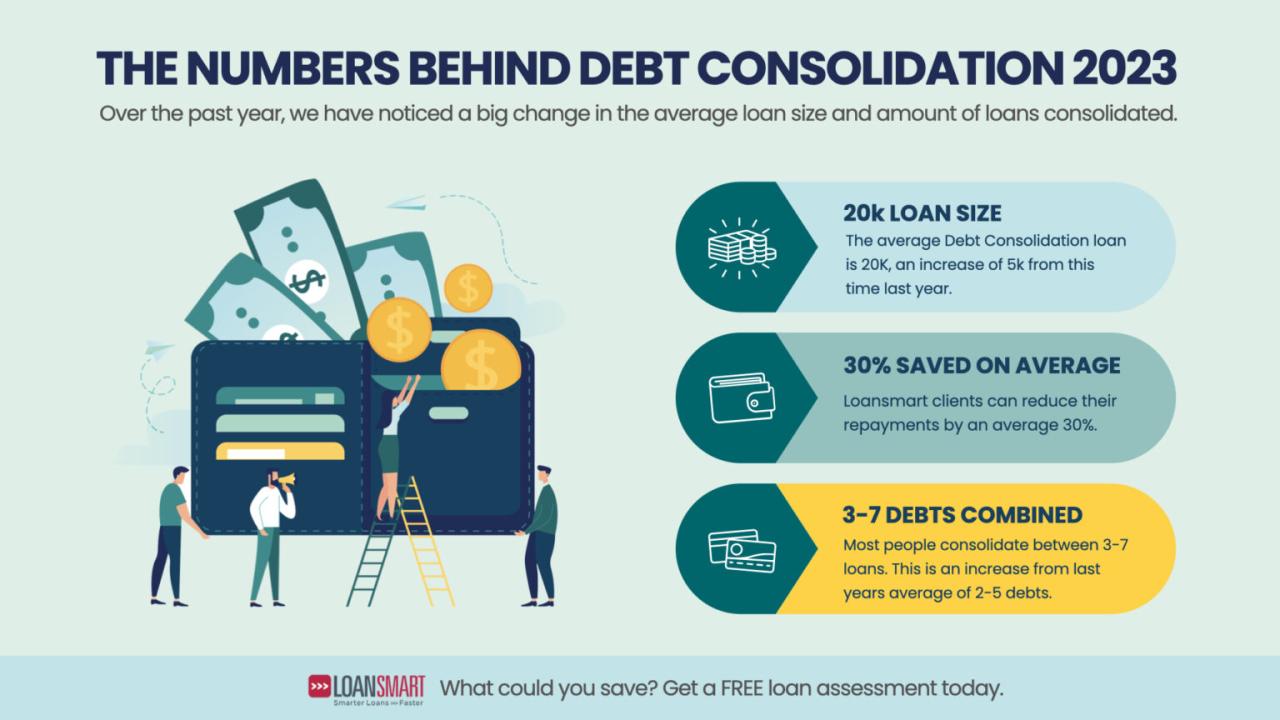
Business debt consolidation loans can be a valuable tool for companies facing financial challenges. Here are key indicators that suggest a business may benefit from debt consolidation:
What are the requirements to qualify for a business debt consolidation loan?
Typically, lenders look for a good credit score, stable revenue, and a well-documented business plan.
Can a startup business apply for a debt consolidation loan?
It’s usually more challenging for startups due to the lack of established financial history.
How long does it usually take to get approved for a business debt consolidation loan?
The approval process can vary but may take anywhere from a few days to a few weeks.
Are there alternatives to debt consolidation loans for businesses?
Yes, alternatives include balance transfer credit cards, business lines of credit, and small business administration loans.
What happens if a business misses a payment on a consolidation loan?
Missing payments can lead to late fees, increased interest rates, and damage to the business’s credit score.