Invoice Financing vs Business Loan: Which Funding Option Fits Your Business?
Delving into the comparison of Invoice Financing and Business Loans, this article aims to help you understand which funding option aligns best with your business needs.
Exploring the nuances of each financial avenue, we aim to provide clarity on the decision-making process for securing the right funding for your business.
Invoice Financing and Business Loans are two common funding options that businesses often consider to meet their financial needs. Invoice Financing involves selling outstanding invoices to a third-party lender at a discounted rate to access immediate cash flow, while Business Loans are traditional loans from financial institutions that need to be repaid with interest over time.
Choosing the right funding option is crucial for the success and growth of a business, as it can impact cash flow, profitability, and overall financial health. Understanding the key differences between Invoice Financing and Business Loans is essential to make an informed decision that aligns with the specific needs and goals of the business.
• Involves selling outstanding invoices to a third-party lender at a discounted rate.
• Provides immediate cash flow based on the value of the invoices.
• Helps businesses manage cash flow gaps and access working capital quickly.
• Involve borrowing a lump sum of money from a financial institution.
• Require repayment of the loan amount with interest over a specified period.
• Offer flexibility in terms of loan amount, repayment schedule, and interest rates.
When it comes to funding options for your business, understanding the eligibility criteria is crucial. Let’s dive into the typical requirements for Invoice Financing and Business Loans.
Invoice Financing is a funding option where businesses sell their outstanding invoices at a discount to a third-party financial institution. The eligibility criteria for Invoice Financing usually include:
On the other hand, Business Loans are traditional loans obtained from banks or financial institutions. The eligibility criteria for Business Loans typically involve:
When comparing the eligibility criteria for Invoice Financing and Business Loans, we can see that Invoice Financing focuses more on the business’s receivables and customer base, while Business Loans emphasize the business owner’s creditworthiness and financial stability. Both options have their own set of requirements tailored to different aspects of the business’s financial health.
Invoice Financing and Business Loans are two popular funding options for businesses. Here, we will delve into the application process for each and the documentation required.
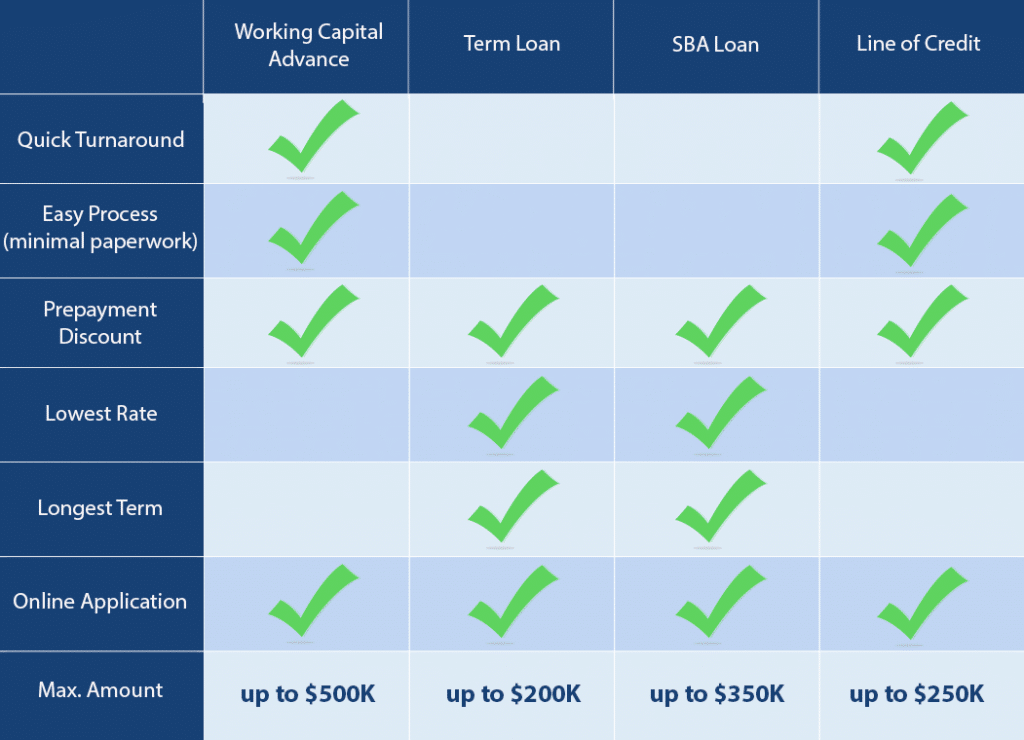
When it comes to comparing Invoice Financing and Business Loans, understanding the funding amount and terms is crucial for making the right decision for your business.
Invoice Financing determines the funding amount based on the value of the unpaid invoices. Typically, businesses can receive financing up to 85% of the invoice value. Once the customer pays the invoice, the remaining percentage, minus fees, is released to the business.
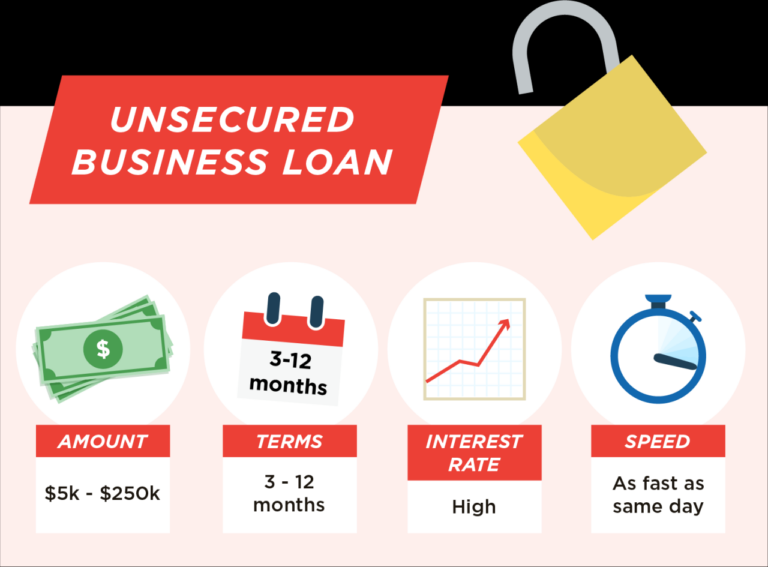
Business Loans offer a wide range of funding amounts, typically ranging from $5,000 up to $5 million or more, depending on the lender and the business’s financial health. Repayment terms for Business Loans can vary greatly, ranging from a few months to several years, with fixed monthly payments.
When it comes to funding options for businesses, the speed at which funds are disbursed can make a significant impact on operations and growth. Let’s delve into the speed of funding in Invoice Financing and Business Loans.
Invoice Financing is known for its quick turnaround time in providing funds to businesses. Once the invoices are verified by the financing company, funds can be typically disbursed within a few days. This immediate access to cash flow can help businesses bridge gaps in working capital and meet operational expenses without waiting for customer payments.
On the other hand, Business Loans usually involve a longer process for approval and disbursement of funds. The turnaround time for receiving funds can vary depending on the lender, the amount of funding required, and the business’s financial health. It may take several weeks to months to secure a business loan, which could be a disadvantage for businesses in need of immediate financial support.
The speed of funding can have a direct impact on the ability of businesses to seize opportunities, fulfill orders, and navigate cash flow challenges. Businesses that require quick access to capital to fund growth initiatives or cover unexpected expenses may find Invoice Financing more suitable due to its rapid funding process.
On the other hand, businesses with more time-sensitive funding needs may face delays in operations if they opt for traditional Business Loans with longer processing times.
When it comes to financing options for your business, understanding the costs and fees involved is crucial. Let’s break down the expenses associated with Invoice Financing and Business Loans to help you make an informed decision.
Invoice Financing typically involves the following fees:
Obtaining a Business Loan may come with various fees, including:
In comparing the cost structures of Invoice Financing and Business Loans, it’s important to note that Invoice Financing fees are based on the value of the invoices being financed, while Business Loans involve upfront fees and interest charges over the loan term.
Depending on your business’s financial situation and cash flow needs, one option may be more cost-effective than the other.

When considering funding options for your business, it is crucial to understand the potential risks involved. Both Invoice Financing and Business Loans come with their own set of risk factors that businesses need to be aware of before making a decision.
Invoice Financing and Business Loans offer different benefits depending on the specific needs of a business. Let’s explore some scenarios where each funding option would be beneficial.
What are the typical eligibility requirements for Invoice Financing?
For Invoice Financing, companies usually need to have a track record of invoicing clients and a certain level of monthly revenue to qualify.
What are the typical loan amounts and repayment terms associated with Business Loans?
Business Loans can range from a few thousand to millions of dollars, with repayment terms varying from a few months to several years depending on the lender.
What risks are associated with Invoice Financing?
One risk of Invoice Financing is that if your clients do not pay their invoices, you may still be liable to repay the funds advanced by the lender.