Business Loan Refinancing: When Lower Rates Can Reduce Financing Costs
As Business Loan Refinancing: When Lower Rates Can Reduce Financing Costs takes center stage, this opening passage beckons readers with a casual formal language style into a world crafted with good knowledge, ensuring a reading experience that is both absorbing and distinctly original.
Exploring the intricacies of business loan refinancing and how lower rates can lead to reduced financing costs is not just insightful but also essential for prudent financial management. Let’s delve into the details of this significant aspect of business operations.
Refinancing a business loan refers to the process of taking out a new loan to pay off an existing business loan. This new loan usually comes with better terms, such as lower interest rates, longer repayment periods, or lower monthly payments.
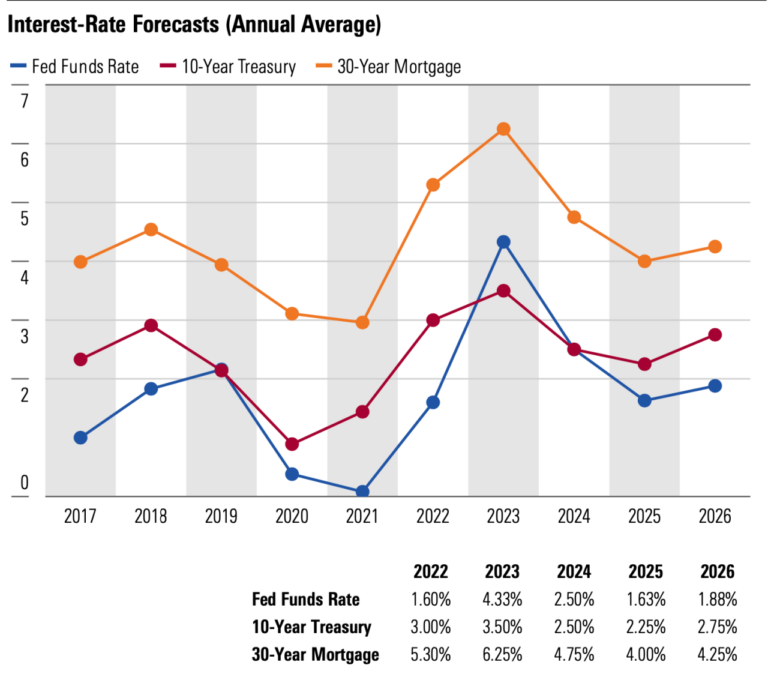
The goal of refinancing is to reduce the overall cost of borrowing and improve the financial health of the business.One key benefit of refinancing a business loan is the potential to lower the interest rate. If market interest rates have decreased since the original loan was taken out, refinancing can help businesses take advantage of these lower rates, resulting in cost savings over the life of the loan.
Additionally, refinancing can also help improve cash flow by reducing monthly payments and extending the repayment period.In situations where a business is struggling to make payments on its current loan, refinancing can provide much-needed relief. By securing a new loan with more favorable terms, businesses can avoid defaulting on their existing loan and potentially damaging their credit.
Refinancing can also be a strategic move for businesses looking to expand or invest in new opportunities, as it can free up capital for other business ventures.
Before deciding to refinance a business loan, there are several important factors that should be taken into consideration. It is crucial for businesses to weigh the advantages and disadvantages of refinancing in order to make an informed decision that aligns with their financial goals.
Lower interest rates can have a significant impact on a business’s financing costs. By refinancing a loan at a lower rate, businesses can potentially save money in the long run. For example, a 1% reduction in interest rate on a $100,000 loan could result in savings of $1,000 per year.
This reduction in financing costs can improve the overall financial health of the business and provide more flexibility for growth and investment.
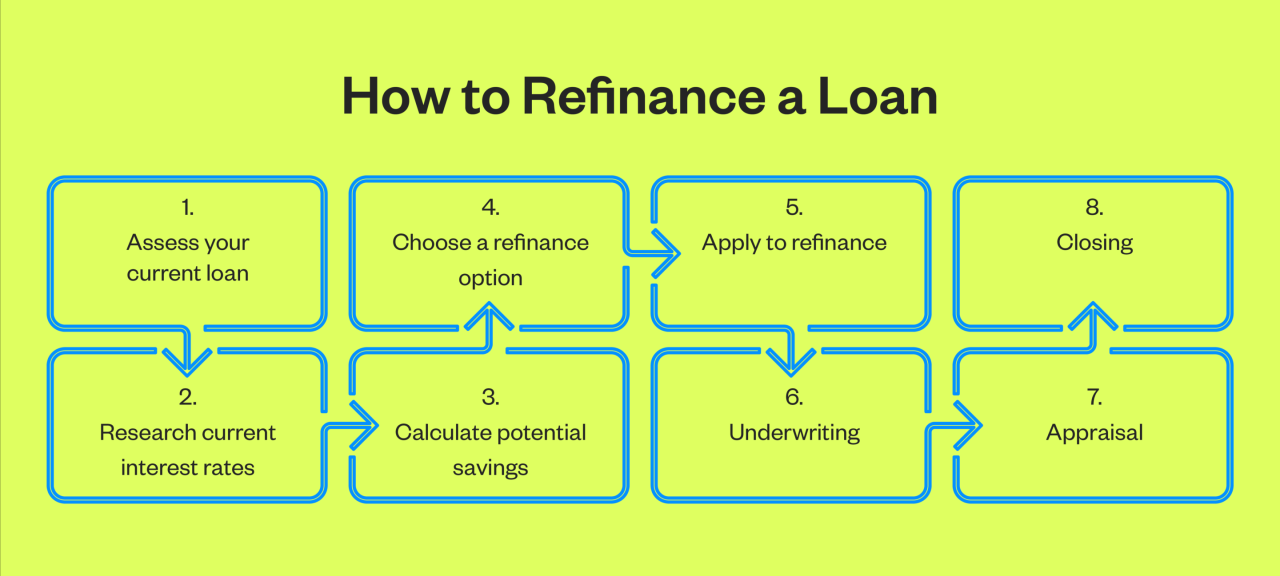
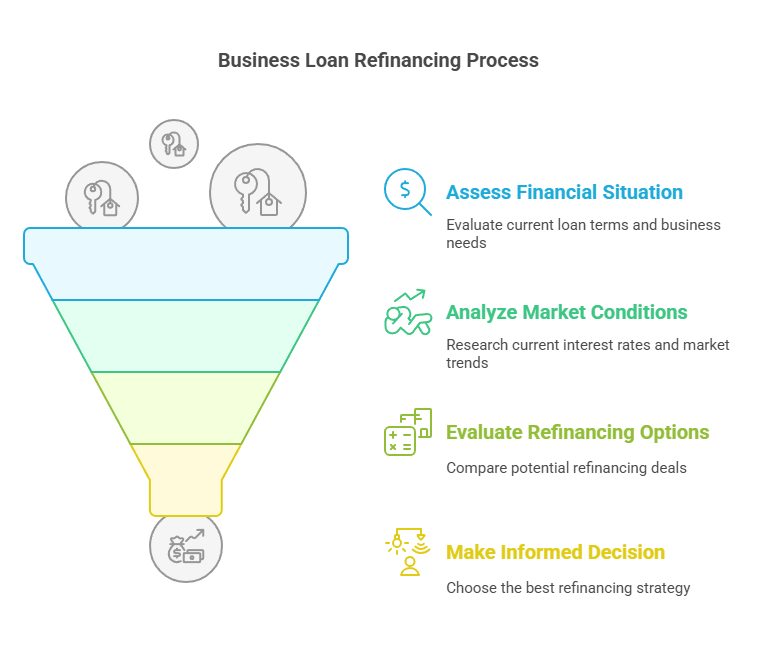
When considering refinancing a business loan, there are specific steps involved in the process to ensure a smooth transition and potentially secure better terms for your financing. Below is a breakdown of the step-by-step process, documentation required, and tips for negotiating better terms during the refinancing process.
Lower interest rates play a crucial role in reducing financing costs for businesses. When businesses refinance their loans at a lower rate, they can save a significant amount of money over the life of the loan. This reduction in interest expenses can free up cash flow, allowing businesses to invest in growth opportunities or pay down other debts.
Refinancing a business loan at a lower rate can lead to substantial savings for the company. For example, a business that refinances a $500,000 loan from 10% to 6% over a 10-year term can save over $100,000 in interest payments.
This money can then be reinvested back into the business to fuel expansion or improve operations.
Many businesses have experienced the positive impact of refinancing at lower rates. For instance, a small manufacturing company was able to refinance its loan at a lower rate, reducing its monthly payments by 20%. This allowed the company to hire more employees and invest in new equipment, ultimately driving growth and profitability.
Similarly, a retail store that refinanced its loan at a lower rate was able to expand to new locations and increase its market share.
What is the process of refinancing a business loan?
The process typically involves assessing current loan terms, finding a new lender, applying for the new loan, and using the funds from the new loan to pay off the old one.
How can businesses benefit from lower interest rates through refinancing?
Lower interest rates can lead to decreased monthly payments and overall interest costs, thus improving cash flow and profitability for businesses.
What documentation is usually required for refinancing a business loan?
Commonly required documents include financial statements, tax returns, business plan, and personal identification.