Business Loan Interest Rates in 2026: What Borrowers Should Expect
Delving into Business Loan Interest Rates in 2026, this introduction entices readers with a wealth of knowledge, promising an engaging and informative exploration of the subject matter.
The following paragraphs will delve deeper into the intricacies of business loan interest rates, providing valuable insights for borrowers navigating the financial landscape in 2026.
Business loan interest rates in 2026 are influenced by various factors that borrowers should consider before taking out a loan. Understanding these factors can help borrowers make informed decisions and navigate the loan market effectively.
It is crucial for borrowers to monitor and understand interest rate trends in order to secure the most favorable loan terms. By staying informed about market conditions and economic indicators, borrowers can time their loan applications to take advantage of lower interest rates and save on borrowing costs in the long run.
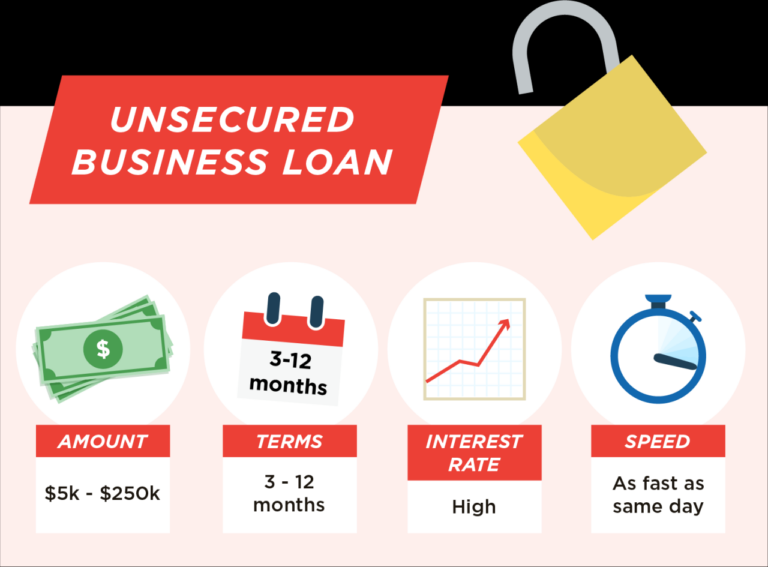
In 2026, borrowers can expect a variety of business loans tailored to different needs and situations. Understanding the specific features and eligibility criteria of each type of loan is crucial for making informed borrowing decisions.
Traditional term loans are fixed loans with a set repayment term, interest rate, and monthly payment. These loans are ideal for established businesses with a strong credit history and stable revenue. The eligibility criteria typically include a good credit score, business financial statements, and collateral.
SBA loans are government-backed loans offered by the Small Business Administration. These loans come with competitive interest rates and longer repayment terms, making them suitable for small businesses looking for affordable financing. Eligibility criteria may include a solid business plan, good personal and business credit scores, and collateral.
A business line of credit provides flexibility to borrow funds up to a predetermined limit. Borrowers can withdraw funds as needed and only pay interest on the amount borrowed. This type of loan is suitable for businesses with fluctuating cash flow.
Eligibility criteria often require a good credit score, business financials, and a proven track record.
Equipment financing allows businesses to purchase equipment and machinery with the equipment itself serving as collateral. This type of loan is beneficial for businesses looking to acquire or upgrade equipment without tying up working capital. Eligibility criteria may involve the value of the equipment, business financials, and the business’s credit history.
Invoice financing, also known as accounts receivable financing, enables businesses to receive cash advances based on their outstanding invoices. This type of loan helps businesses bridge cash flow gaps caused by late-paying customers. Eligibility criteria typically include the quality of the invoices, the creditworthiness of the customers, and the business’s financial stability.
A merchant cash advance provides a lump sum of cash in exchange for a percentage of future credit card sales. This type of loan is suitable for businesses with high credit card sales volume but may come with higher fees and interest rates.
Eligibility criteria often focus on the business’s credit card sales history and revenue.
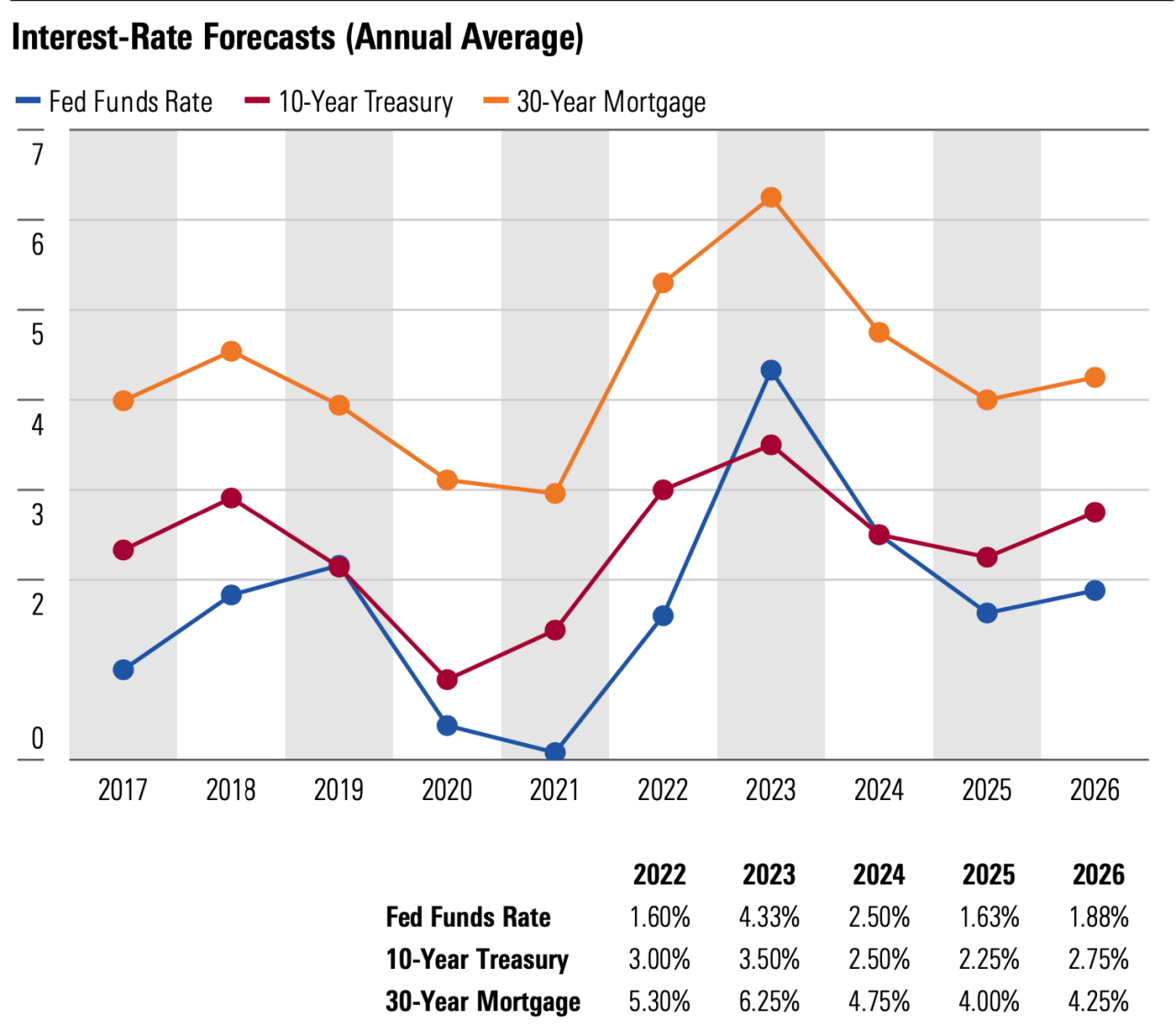
In 2026, business loan interest rates are expected to follow certain trends based on various economic factors. These trends can have a significant impact on borrowers seeking financing for their businesses.Interest rates for business loans are often influenced by inflation rates.
As inflation rises, lenders may adjust interest rates to maintain their profit margins. Therefore, it is essential for borrowers to monitor inflation rates closely as they can directly affect the cost of borrowing.Looking at historical data can provide valuable insights into how interest rates may change in the future.
For example, during periods of economic growth, interest rates tend to increase as demand for loans rises. Conversely, during economic downturns, interest rates may decrease to stimulate borrowing and investment.
Inflation rates play a crucial role in determining the interest rates for business loans. When inflation is high, lenders may charge higher interest rates to protect the real value of their money. On the other hand, lower inflation rates may result in lower interest rates for borrowers.
Analyzing historical interest rate data can help predict future changes in interest rates for business loans. By examining past trends and economic conditions, borrowers can better understand how interest rates may fluctuate in 2026.
For example, if historical data shows a pattern of interest rate hikes during periods of economic expansion, borrowers can anticipate potential rate increases in 2026 if the economy is projected to grow.
By examining trends like the table above, borrowers can make more informed decisions regarding their business loan applications in 2026.
When it comes to securing favorable interest rates on business loans in 2026, there are several strategies that borrowers can implement to increase their chances of getting a lower rate. By following these steps, borrowers can improve their creditworthiness and negotiate better terms with lenders.
To secure favorable interest rates, borrowers should focus on improving their creditworthiness. Lenders typically offer lower rates to borrowers with higher credit scores. Here are some steps borrowers can take to enhance their credit profile:
When negotiating with lenders for lower interest rates, borrowers should be prepared with the necessary documents and information to support their case. Here is a checklist of items borrowers should have on hand when discussing rates with lenders:
What factors influence business loan interest rates in 2026?
Factors such as economic conditions, inflation rates, and historical data play a significant role in determining business loan interest rates in 2026.
What types of business loans can borrowers expect in 2026?
Borrowers can expect a variety of business loans in 2026, including term loans, SBA loans, and lines of credit, each with unique features and eligibility criteria.
How can borrowers secure favorable interest rates?
Borrowers can improve their creditworthiness, understand interest rate trends, and gather necessary documents to negotiate lower interest rates in 2026.