
Federal Energy Tax Credits for Replacement Windows and Insulated Siding: A Comprehensive Guide
Embarking on the journey of Federal Energy Tax Credits for Replacement Windows and Insulated Siding, readers will delve into a world of energy efficiency and cost savings. This guide aims to shed light on how homeowners can benefit from these tax credits while enhancing their living spaces.
Exploring the significance of energy-efficient windows and insulated siding, this guide will help homeowners make informed decisions to improve their homes and reduce utility expenses.
Federal Energy Tax Credits are incentives provided by the government to encourage homeowners to make energy-efficient upgrades to their homes. These credits can help offset the cost of upgrading to more energy-efficient windows and insulated siding, ultimately saving homeowners money in the long run.
To claim Federal Energy Tax Credits for replacement windows and insulated siding, homeowners must ensure that the products meet the energy efficiency requirements set by the government. This typically includes specific energy performance ratings and other criteria that the products must meet to qualify for the tax credits.
Energy-efficient windows play a crucial role in reducing heating and cooling costs for homeowners. By minimizing heat transfer through windows, energy-efficient options help maintain a comfortable indoor temperature without overworking heating and cooling systems.
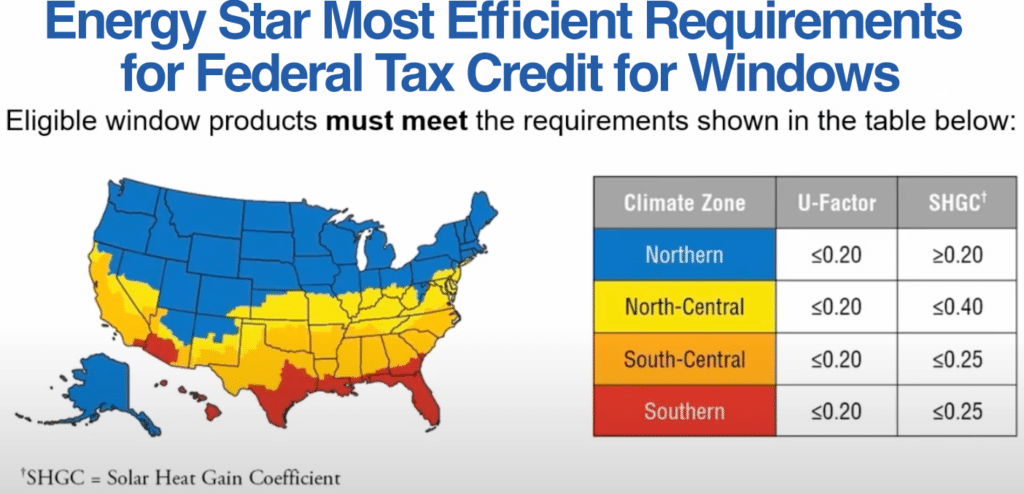
For windows to qualify for Federal Energy Tax Credits, they must meet specific criteria set by the government. These criteria typically include factors such as U-factor, Solar Heat Gain Coefficient (SHGC), and Visible Transmittance (VT) ratings. These ratings indicate the window’s ability to prevent heat loss, block unwanted solar heat, and allow natural light into the home.
When it comes to energy efficiency, not all windows are created equal. Here is a comparison of different types of windows eligible for tax credits:
Insulated siding plays a crucial role in enhancing a home’s energy efficiency by providing an extra layer of insulation to the exterior walls. This helps in reducing heat loss during the winter and heat gain during the summer, leading to lower energy consumption and cost savings.
Insulated siding is typically installed by professionals who ensure a proper fit and seal to maximize its energy-saving properties. In addition to reducing energy bills, insulated siding offers benefits such as improved durability, noise reduction, and enhanced curb appeal. The added insulation also helps regulate indoor temperatures, creating a more comfortable living environment year-round.
Can I claim tax credits for both replacement windows and insulated siding in the same year?
Yes, as long as the products meet the eligibility criteria for the Federal Energy Tax Credits, you can claim credits for both replacement windows and insulated siding in the same year.
Do I need professional installation to qualify for these tax credits?
While professional installation is recommended for optimal energy efficiency, it is not a requirement to qualify for Federal Energy Tax Credits. However, ensure that the products meet the necessary criteria.
Are there limits to the amount of tax credits I can claim for these home improvements?
Yes, there are specific limits set for tax credits on replacement windows and insulated siding. Be sure to check the latest guidelines from the IRS to determine the maximum amount you can claim.