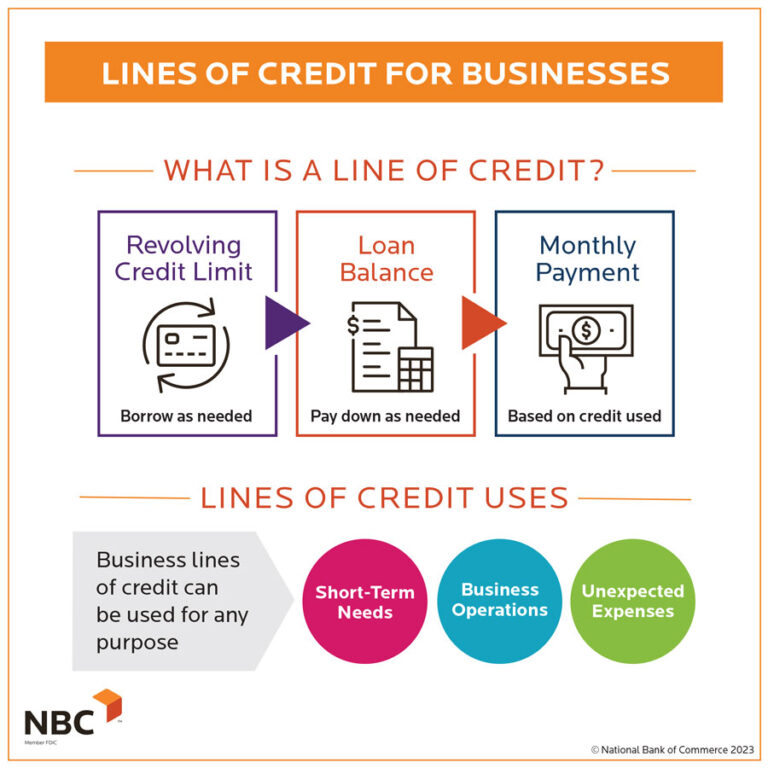
Commercial Business Loans: Financing Options for Growing Companies
Exploring the realm of Commercial Business Loans: Financing Options for Growing Companies opens up a world of possibilities for companies looking to expand and thrive. From different loan types to specialized financing for startups, this topic delves into the essential strategies and tips needed to navigate the financial landscape successfully.
As we delve deeper into the specifics, readers will gain valuable insights into the loan application process, managing repayments, and the crucial factors that lenders consider when evaluating creditworthiness.
Commercial business loans are essential for companies looking to expand, cover operating expenses, or invest in new opportunities. There are various types of commercial loans available to growing businesses, each with its own set of terms and conditions. Let’s explore some of the common options in the market.
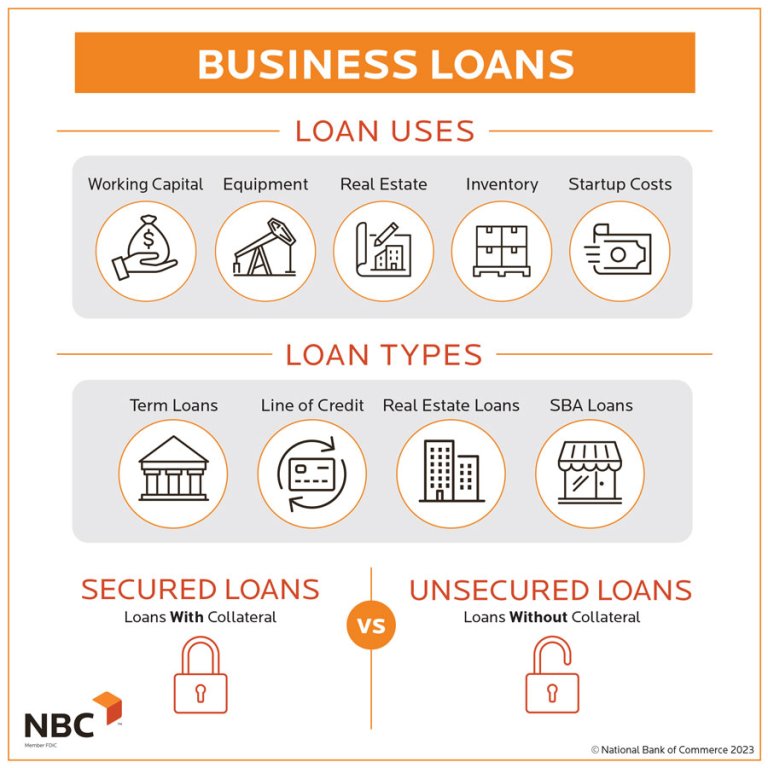
Secured commercial loans require collateral, such as business assets or real estate, to secure the loan amount. This lowers the risk for lenders, making it easier for businesses to qualify and obtain lower interest rates. On the other hand, unsecured commercial loans do not require collateral but may have higher interest rates due to the increased risk for the lender.
Small Business Administration (SBA) loans are backed by the government and offer favorable terms to small businesses. To qualify for an SBA loan, companies must meet specific criteria related to size, industry, and revenue. Traditional bank loans, on the other hand, require a good credit score, solid business plan, and financial stability to be approved.
Various industries rely on commercial loans to fund their growth initiatives. Industries such as healthcare, construction, manufacturing, and technology commonly utilize commercial loans to expand operations, purchase equipment, or hire additional staff. These loans provide the necessary capital to fuel growth and drive business success.

Starting a new business can be an exciting venture, but securing financing as a startup can be challenging. Here, we will explore some specialized loan options and alternative financing sources that can help startups get off the ground.
Having a well-thought-out business plan is crucial when applying for startup financing. Lenders and investors want to see a clear roadmap for your business and how you plan to use the funds.
When it comes to applying for a commercial business loan, there are several steps involved in the process. From gathering the necessary documentation to improving credit scores, each step plays a crucial role in determining the success of the loan application.
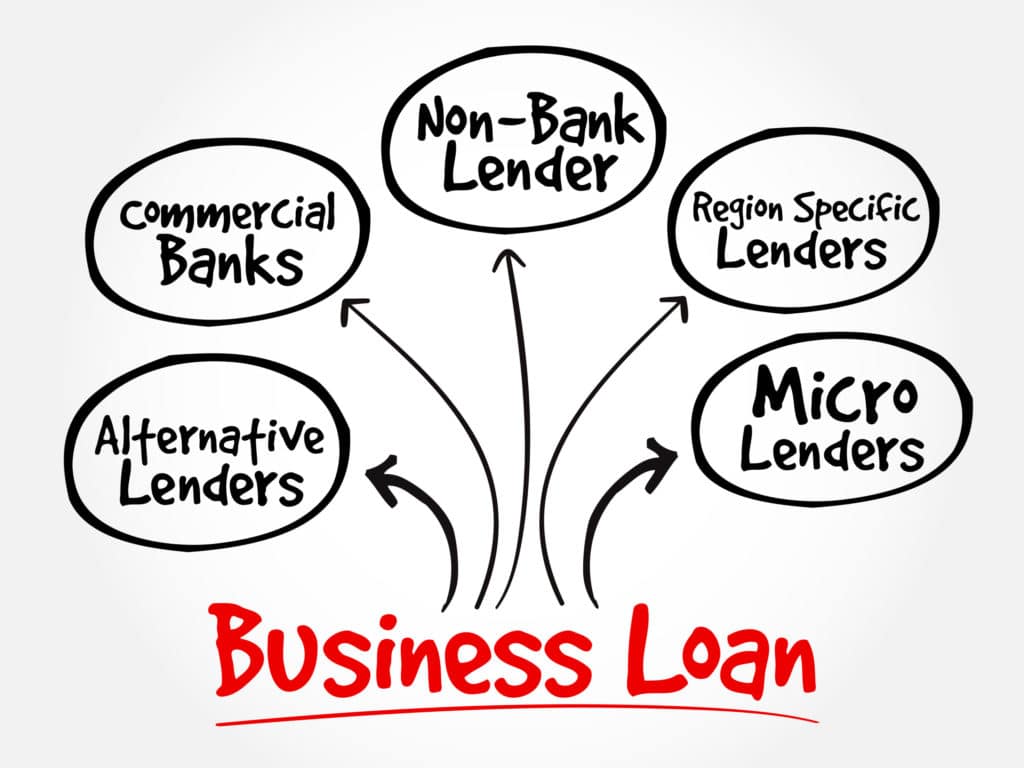
Effective management of loan repayments is crucial for the financial health of a company. It involves creating a plan and sticking to it to avoid defaulting on the loan, which can have serious consequences.
Creating a repayment plan helps ensure that your company stays on track with loan repayments and avoids financial distress. By sticking to the plan, you can maintain a positive relationship with lenders and safeguard your company’s financial stability.
What are the main types of commercial business loans?
Commercial business loans can include term loans, lines of credit, equipment financing, and commercial real estate loans.
What is the importance of a solid business plan for startups applying for financing?
A solid business plan showcases a startup’s vision, market analysis, financial projections, and growth strategies, demonstrating to lenders the potential for success.
How can companies improve their credit scores to increase chances of loan approval?
Companies can improve credit scores by paying bills on time, reducing debt, checking credit reports for errors, and maintaining a good credit utilization ratio.
What are the consequences of defaulting on a commercial business loan?
Defaulting on a commercial business loan can lead to damaged credit, legal actions from lenders, seizure of collateral, and difficulty obtaining future financing.
Are there tools or software available to help companies manage loan repayments?
Yes, companies can use financial management software like QuickBooks, Excel spreadsheets, or online platforms to track loan repayments and create repayment schedules.