
Best Business Loans for Small Businesses: How to Compare Financing Options
Beginning with Best Business Loans for Small Businesses: How to Compare Financing Options, the narrative unfolds in a compelling and distinctive manner, drawing readers into a story that promises to be both engaging and uniquely memorable.
In this article, we will delve into the world of small business loans, exploring the various options available and providing valuable insights on how to compare them effectively.
When it comes to financing options for small businesses, there are several types of business loans available. Each type of loan has its own set of features, terms, and benefits. Let’s take a closer look at some common types of business loans:
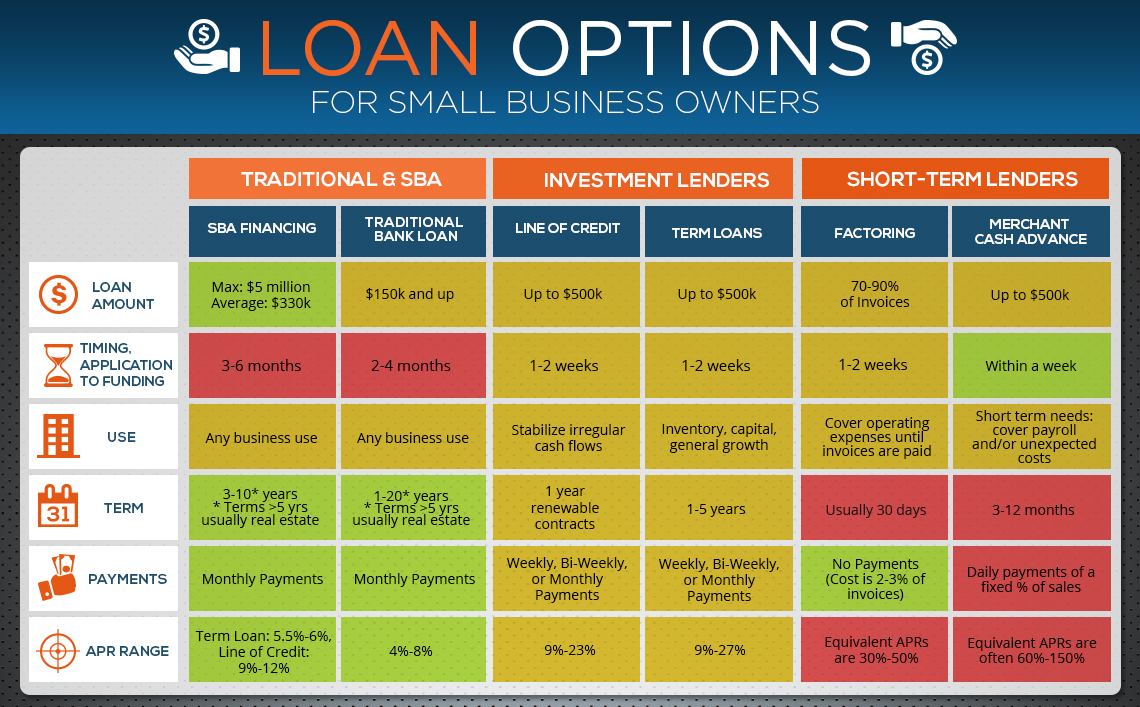
Term loans are one of the most traditional forms of business financing. These loans provide a lump sum of money upfront, which is repaid over a set period of time with fixed interest rates. Term loans are ideal for specific investments or expenses, such as purchasing equipment or expanding a business.
The terms of a term loan typically range from one to five years.
SBA loans are backed by the Small Business Administration and are designed to help small businesses access funding with favorable terms. These loans can be used for a variety of purposes, such as working capital, equipment purchases, or real estate acquisition.
SBA loans often have longer repayment terms and lower interest rates compared to other types of loans.
A line of credit is a flexible form of financing that allows businesses to borrow up to a certain limit. Unlike term loans, where you receive a lump sum upfront, with a line of credit, you can borrow as needed and only pay interest on the amount you borrow.
This type of loan is ideal for managing cash flow fluctuations and short-term financing needs.
Merchant cash advances are a quick and easy way for businesses to access capital. With a merchant cash advance, a business receives a lump sum of cash upfront in exchange for a percentage of future credit card sales. This type of financing is typically used for businesses with high credit card sales volume and can be repaid daily or weekly based on sales.
When comparing different business loans, there are several key factors to take into account to ensure you make the best decision for your small business.
Interest rates play a crucial role in determining the overall cost of a loan. Lower interest rates mean you will pay less over the life of the loan. Be sure to compare the rates offered by different lenders to find the most competitive option.
It is important to carefully review the repayment terms of each loan, including the length of the loan, repayment schedule, and frequency of payments. Some loans may have a shorter repayment period but higher monthly payments, while others may offer longer terms with lower monthly payments.
Consider which option aligns best with your business’s cash flow and financial goals.
In addition to interest rates, be aware of any additional fees associated with the loan. These may include origination fees, prepayment penalties, and late payment charges. These fees can significantly impact the total cost of the loan, so it’s essential to understand them fully before making a decision.
When applying for small business loans, it is important to meet certain eligibility criteria set by lenders. These requirements can vary depending on the lender and type of loan.
One of the key factors lenders consider when determining eligibility for a business loan is the credit score of the business owner. Different lenders may have varying credit score requirements, with some requiring a minimum score of 600 while others may require a score of 700 or higher.
The annual revenue of your business is another important factor that lenders consider when assessing eligibility for a loan. Lenders may have minimum revenue requirements that your business must meet to qualify for a loan.
The length of time your business has been operating can also impact your eligibility for a loan. Some lenders may require a minimum time in business, such as one year or more, to qualify for a loan.
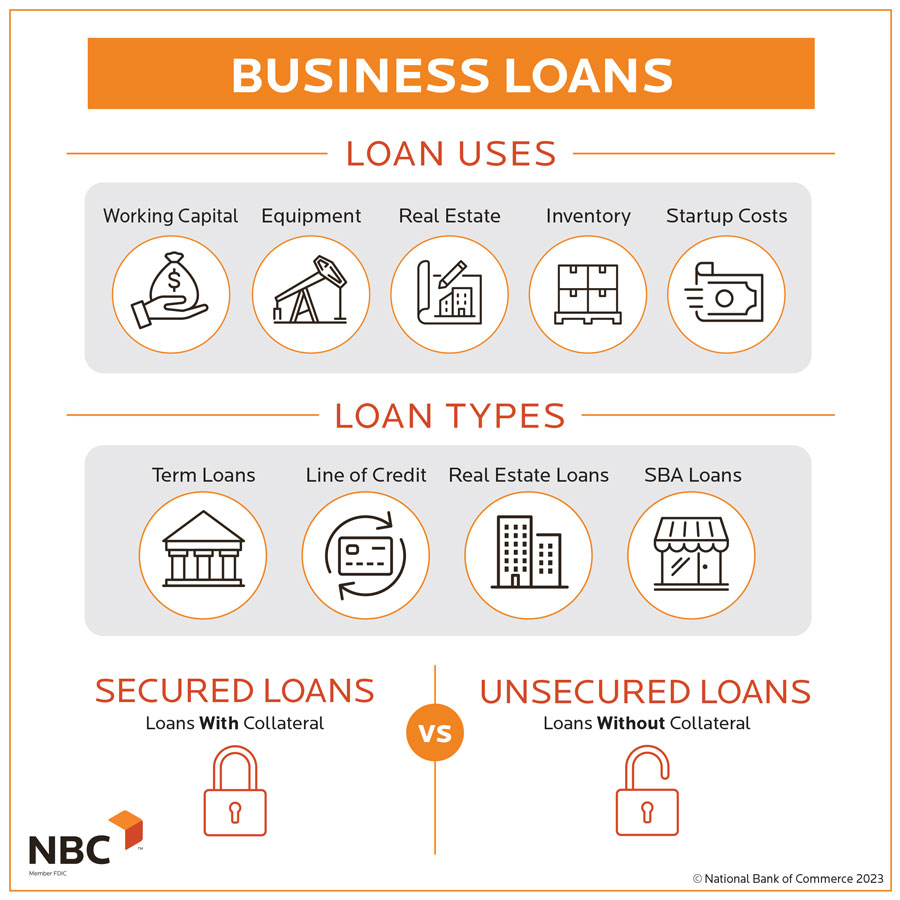
Collateral is another factor that can affect loan eligibility. Some lenders may require collateral to secure the loan, while others may offer unsecured loans that do not require collateral.
When applying for business loans, it is essential to understand the steps involved, the documentation required, and the timeline for approval and funding. Each lender may have specific requirements and processes, so it is important to compare and contrast these factors.
When it comes to choosing a lender for your small business loan, considering the reputation and customer service of the lender is crucial. This can greatly impact your overall experience and satisfaction with the loan process.
Before deciding on a lender, it is important to research and compare the reputation of various lenders in the market. Look for feedback and reviews from other small business owners who have worked with these lenders in the past.
Good customer service is essential when choosing a lender for your business loan. A lender with excellent customer service can provide you with guidance, support, and assistance throughout the loan process, making it easier for you to navigate any challenges that may arise.
When evaluating lender reviews and feedback from other small business owners, consider the following tips:
What are the key factors to consider when comparing business loans?
When comparing business loans, it’s crucial to look at interest rates, repayment terms, and additional fees to understand the total cost of borrowing.
What credit score is typically required for small business loans?
Credit score requirements vary among lenders, but generally, a higher credit score increases your chances of qualifying for better loan terms.
How important is lender reputation when choosing a business loan?
Lender reputation is vital as it reflects their reliability and customer service quality, which can impact your overall borrowing experience.