
Revenue Based Financing: Costs, Repayment, and Who It Works Best For
Exploring Revenue Based Financing: Costs, Repayment, and Who It Works Best For, this introduction sets the stage for an in-depth look at this financial model. It aims to captivate readers with a blend of informative insights and engaging storytelling.
The following paragraph will delve into the specifics of the topic, providing a comprehensive overview of revenue-based financing, its costs, repayment structure, and ideal candidates.
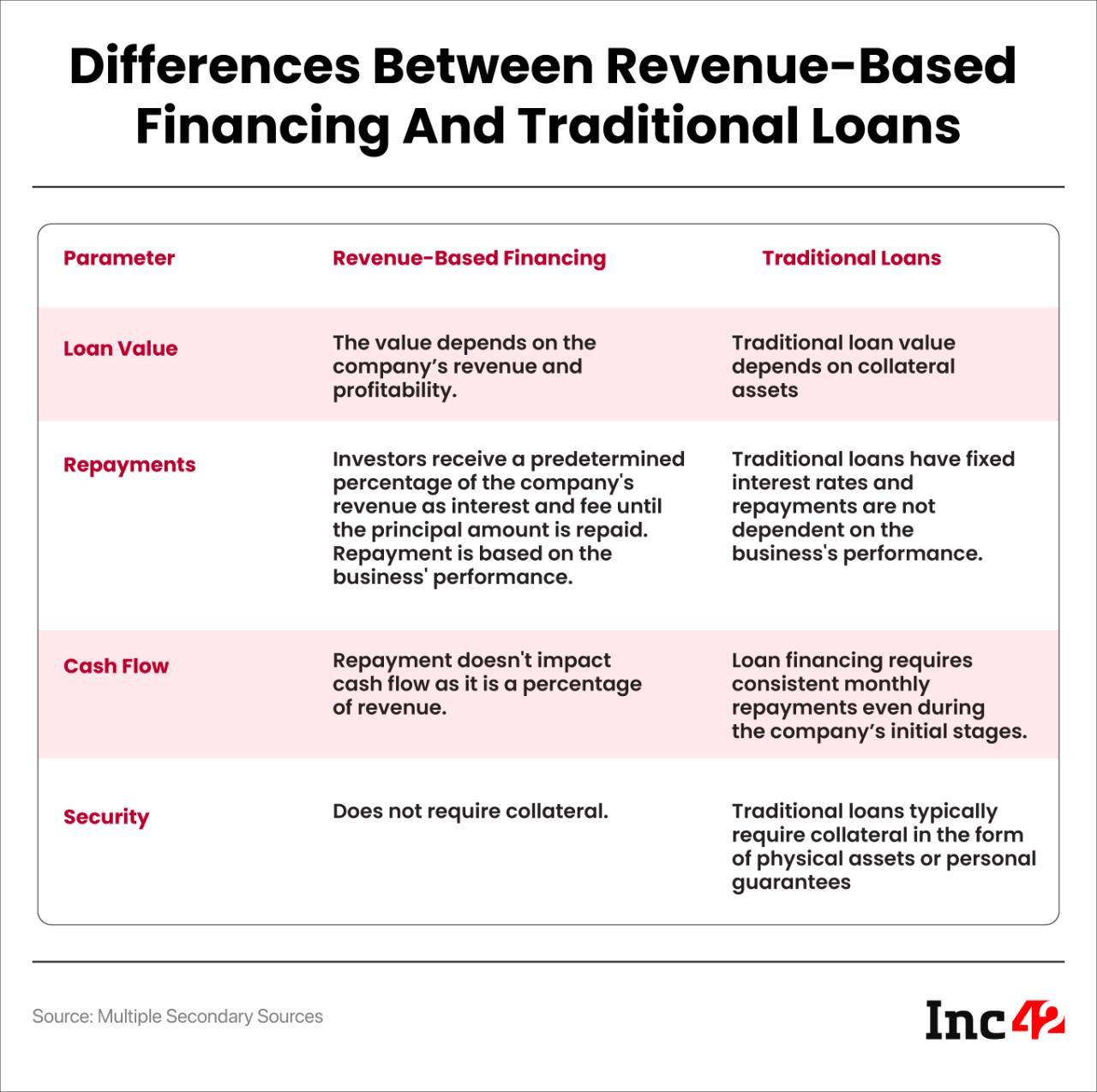
Revenue-based financing offers a unique funding option for businesses, but it comes with its own set of costs that need to be considered. Let’s explore the typical costs associated with revenue-based financing and how they compare to traditional loan options.
In revenue-based financing, businesses repay the funds with a percentage of their monthly revenue. This percentage includes both the principal amount and a fee, which is essentially the cost of borrowing the money. The fee is typically higher than traditional loan interest rates since revenue-based financing is considered riskier for the lender.
When evaluating the costs of revenue-based financing, businesses need to consider the total cost of capital over the repayment period. This includes the initial funding amount, the total fees paid, and any other costs associated with the financing. Businesses should calculate the total cost to assess the impact on their financial health.
Revenue-based financing may have higher costs compared to traditional loans in terms of the total amount repaid. However, the flexibility and structure of revenue-based financing can sometimes outweigh the costs for businesses that have fluctuating revenue or are unable to qualify for traditional loans.
For example, a business that opts for revenue-based financing may end up paying a higher total cost compared to a traditional loan due to the higher fees. However, if the business experiences a slow season with lower revenue, the flexible repayment structure of revenue-based financing can provide relief by adjusting the payments based on revenue.
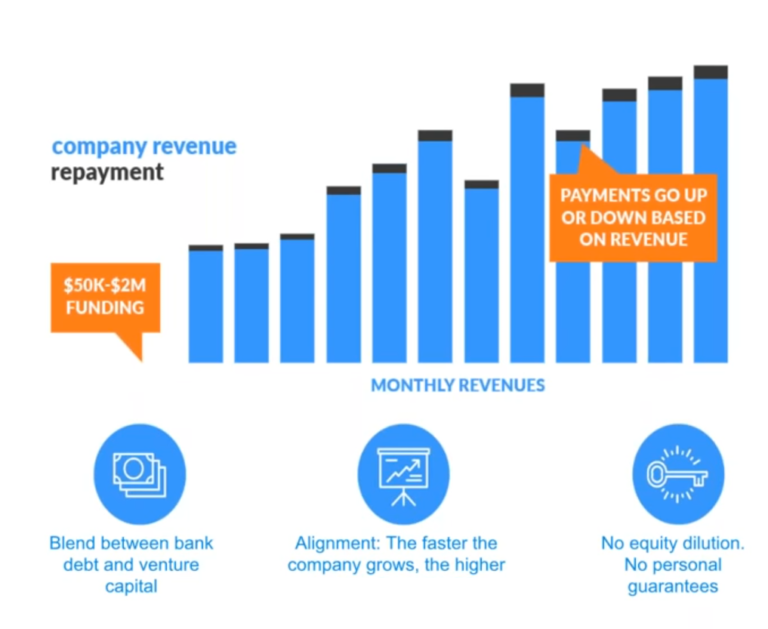
Revenue-based financing operates on a unique repayment structure that differs from traditional loans. Instead of fixed monthly payments, repayments are directly tied to the business’s revenue. This means that when the business makes more revenue, the repayment amount increases, and vice versa.
In revenue-based financing, repayment schedules are flexible and fluctuate based on the business’s performance. This can be beneficial for businesses with seasonal fluctuations or unpredictable revenue streams. Lenders typically set a fixed percentage of revenue to be paid until a predetermined total repayment amount is reached.
Late or missed payments in revenue-based financing can have serious consequences for the business. Since repayments are directly linked to revenue, any delays or defaults can impact the lender’s returns and the business’s financial health.
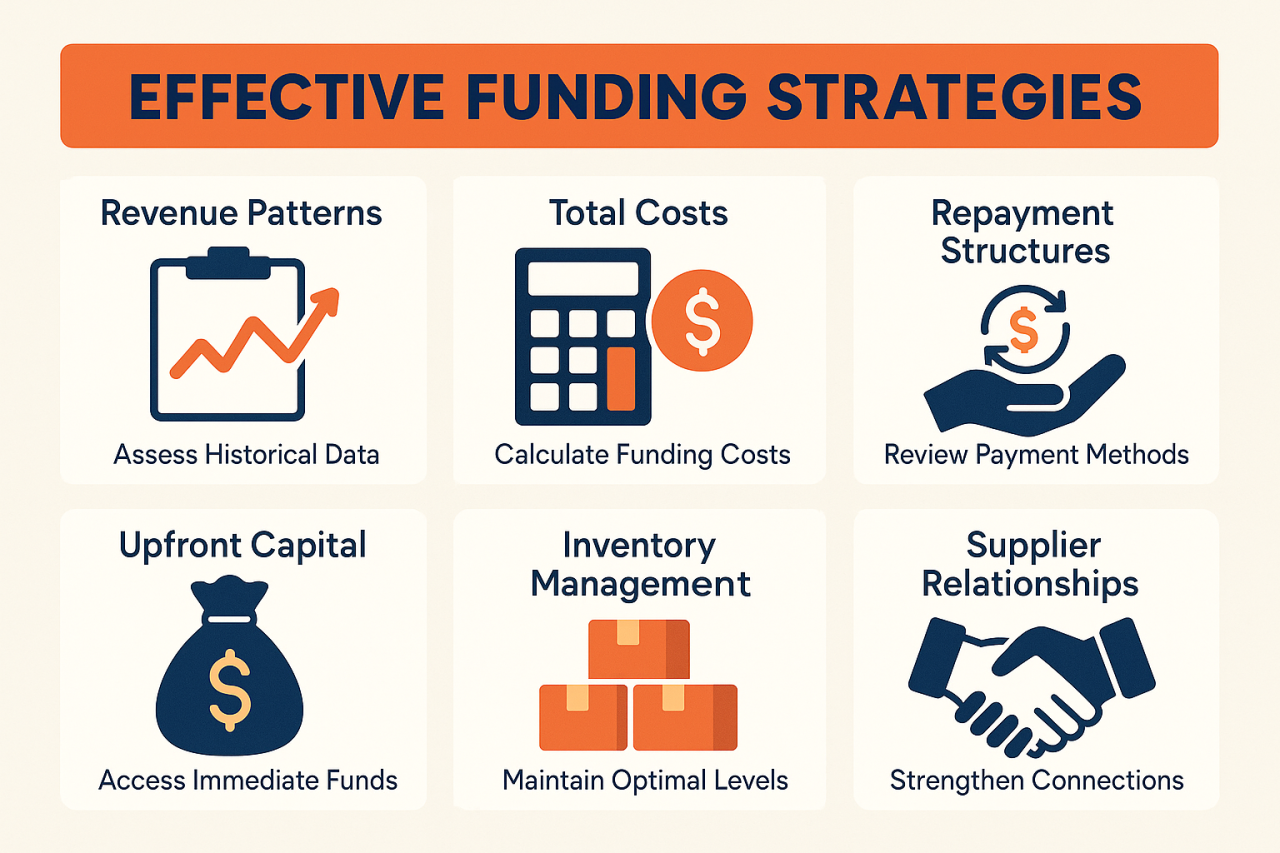
Revenue-based financing is particularly beneficial for certain types of businesses that may not qualify for traditional loans or may prefer a flexible repayment structure. These include early-stage startups, seasonal businesses, and companies with fluctuating revenue streams.
What are the typical costs associated with revenue-based financing?
The costs usually include a percentage of monthly revenue or a fixed fee until a predetermined amount is repaid.
How does repayment work in revenue-based financing?
Repayment is linked to a percentage of monthly revenue, meaning payments fluctuate based on business performance.
Which types of businesses benefit most from revenue-based financing?
Businesses with consistent revenue streams and growth potential tend to benefit the most from this financing model.