
Working Capital Loans: How Businesses Can Finance Short-Term Expenses
Exploring the realm of Working Capital Loans: How Businesses Can Finance Short-Term Expenses leads us to a world where financial support meets short-term needs, offering businesses a lifeline in turbulent times.
Delving deeper, we uncover the essential components that make working capital loans an indispensable tool for businesses navigating the complexities of managing their finances effectively.
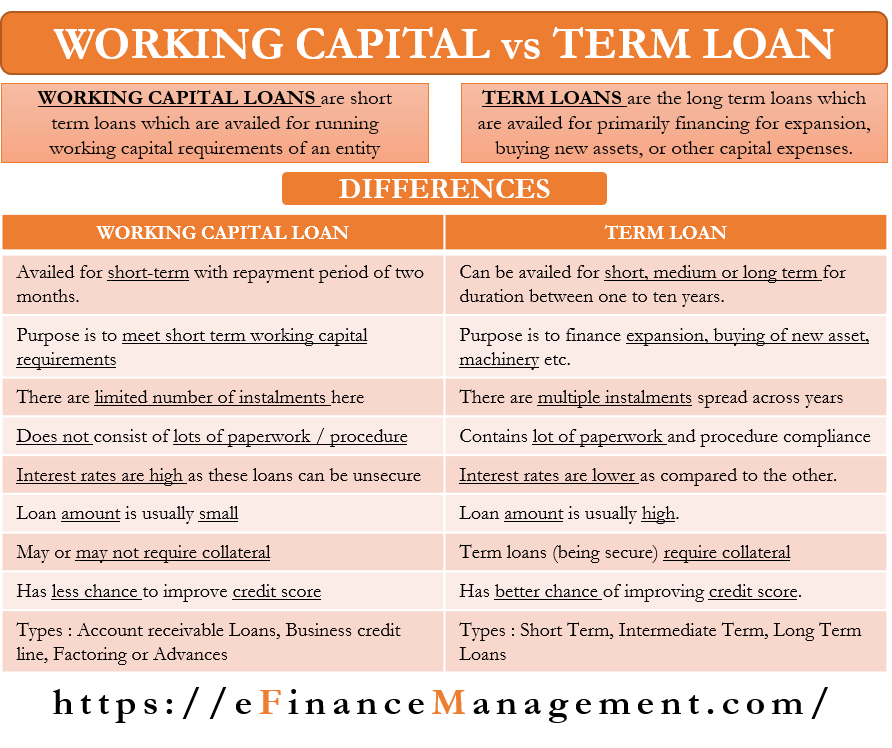
Working capital loans are a type of business financing specifically designed to cover short-term operational expenses. Unlike other types of business loans that may be used for long-term investments or specific projects, working capital loans are meant to address immediate cash flow needs.These loans are crucial for businesses to maintain day-to-day operations smoothly, ensuring they have enough liquidity to cover expenses such as payroll, inventory purchases, rent, utilities, and other operational costs.
By providing quick access to funds, working capital loans help businesses manage their cash flow effectively and avoid disruptions in their operations.
Working capital is essential for the smooth functioning of a business, as it reflects the company’s ability to cover its short-term obligations. Insufficient working capital can lead to cash flow problems, missed opportunities, and even business failure. Working capital loans provide the necessary financial support to ensure businesses have the liquidity needed to operate efficiently and sustainably.
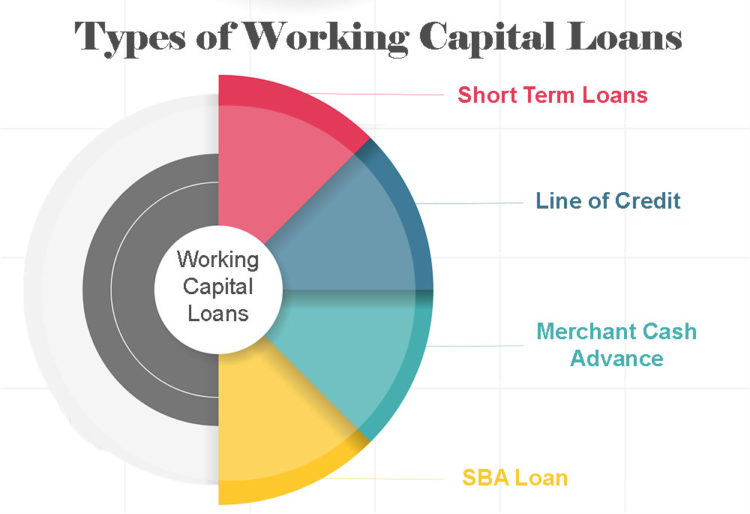
When it comes to financing short-term expenses, businesses have several options for working capital loans. These loans are designed to provide the necessary funds to cover operational costs and keep the business running smoothly.
Secured working capital loans require collateral, such as real estate or equipment, to back the loan. This reduces the risk for the lender, making it easier to qualify for a larger loan amount. On the other hand, unsecured working capital loans do not require collateral but may have higher interest rates to compensate for the increased risk.
When applying for a working capital loan, businesses need to follow specific steps to increase their chances of approval. Understanding the application process and preparing the necessary documentation is essential for a smooth and successful loan application.
Working capital loans offer several advantages for businesses in managing short-term expenses efficiently. However, there are also potential risks that need to be carefully considered before taking out such loans.
Working capital loans provide businesses with the necessary funds to cover immediate operational needs, such as payroll, inventory purchases, and utility bills. These loans can help maintain a steady cash flow and ensure smooth business operations without disrupting daily activities.
While working capital loans offer numerous benefits, there are also risks associated with taking out these loans that businesses should be aware of.
Despite the risks, many businesses have successfully utilized working capital loans to overcome financial hurdles and improve their cash flow management.
When it comes to repaying working capital loans, businesses have a few different options to choose from. The repayment structure selected can have a significant impact on the financial health of the business. It is essential for businesses to understand the various repayment options available and choose the one that aligns best with their cash flow and overall financial strategy.
One common repayment option for working capital loans is fixed monthly payments. With this structure, the business agrees to make a set payment each month for the duration of the loan term. This can provide predictability and consistency in budgeting, making it easier for businesses to manage their cash flow.
Another repayment option is a revolving line of credit, which allows businesses to borrow up to a certain limit and repay as funds become available. This flexibility can be beneficial for businesses with fluctuating cash flow, as they only pay interest on the amount borrowed.
Some working capital loans may have balloon payments, where a large final payment is due at the end of the loan term. While this can lower monthly payments throughout the term, it is essential for businesses to have a plan in place to cover the balloon payment when it comes due.
Businesses may also have the option for flexible payment plans, where payments fluctuate based on the business’s revenue. This can be beneficial during slower months when revenue is lower, allowing for smaller payments, and larger payments during peak seasons.
What are the eligibility criteria for businesses seeking working capital loans?
Eligibility criteria typically include factors such as credit score, business revenue, and time in operation, among others. Lenders assess these to determine the risk associated with lending.
How can businesses improve their chances of approval for a working capital loan?
Businesses can enhance their approval odds by maintaining a strong credit profile, providing accurate financial documentation, and demonstrating a clear plan for utilizing the loan funds effectively.
What are the potential risks associated with taking out working capital loans?
Risks include accruing additional debt, potential strain on cash flow due to repayment obligations, and the possibility of default if the business faces financial challenges.
Can working capital loans be used for long-term investments?
Working capital loans are specifically designed to address short-term expenses and cash flow gaps. For long-term investments, businesses typically seek other forms of financing tailored to such needs.