
Small Business Loans With Fast Approval: Requirements and Financing Costs
Small Business Loans With Fast Approval: Requirements and Financing Costs takes center stage, inviting readers into a world filled with valuable insights and information. This topic delves into the crucial aspects of obtaining quick approval for small business loans, shedding light on the necessary requirements and associated financing costs.
In the following paragraphs, we will explore the key elements that small business owners need to consider when seeking fast approval for their financial needs.
Small business loans with fast approval are financial products designed to provide quick access to funding for small business owners. These loans typically have a streamlined application process and a faster approval timeline compared to traditional loans.Fast approval is crucial for small businesses as it allows them to seize opportunities and address urgent financial needs promptly.
For example, a small business may need immediate funds to cover unexpected expenses, take advantage of a time-sensitive opportunity, or bridge a cash flow gap.
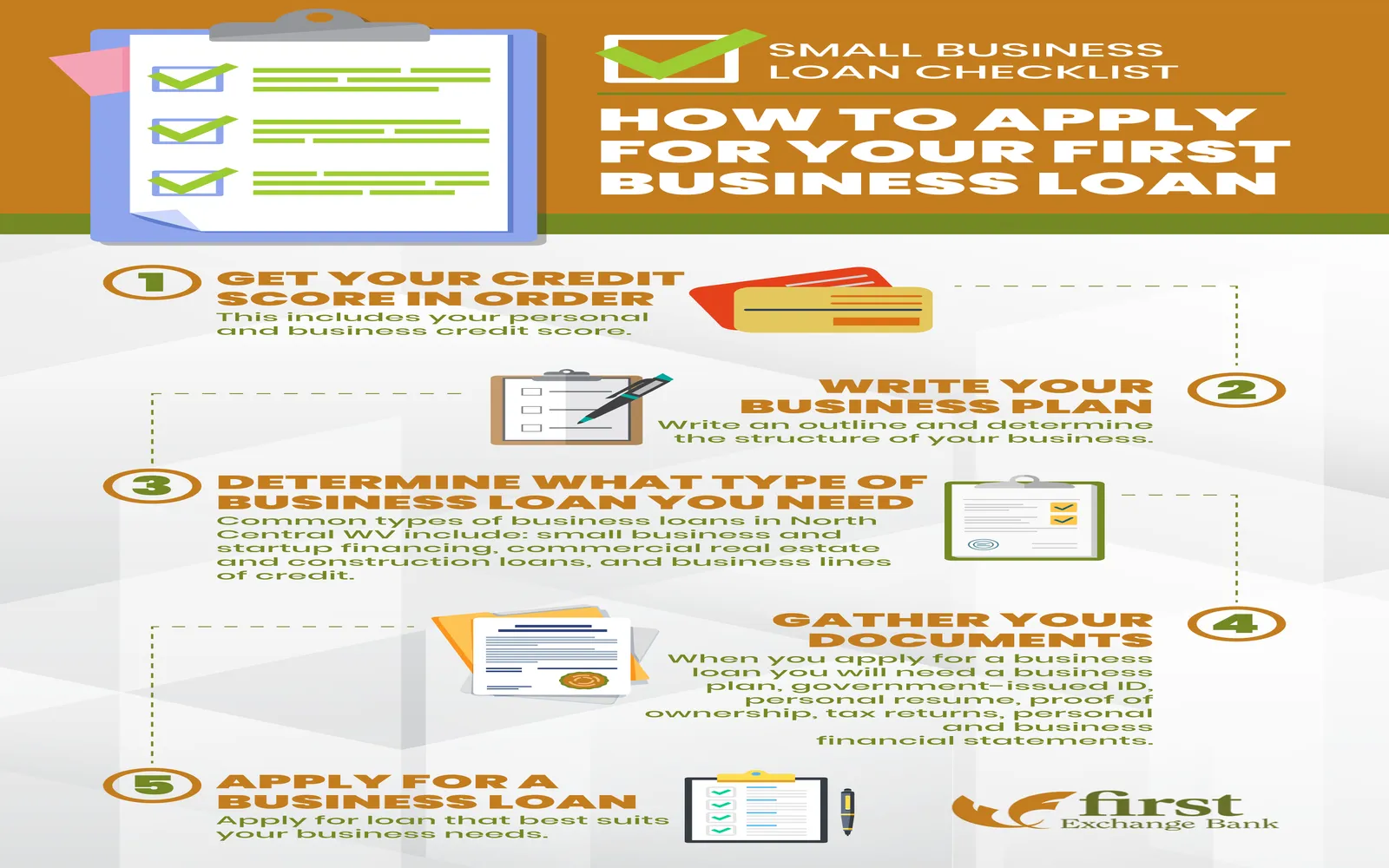
To qualify for small business loans with fast approval, certain requirements must be met to ensure a smooth and quick application process. Understanding these requirements is crucial for increasing the chances of getting approved promptly.
Having a well-thought-out business plan is essential when applying for small business loans. Lenders want to see a clear roadmap of how you plan to use the funds and how your business will grow. A detailed business plan demonstrates your commitment to the success of your venture and provides lenders with confidence in your ability to repay the loan.
Maintaining a good personal and business credit score is crucial for fast approval of small business loans. Lenders use credit scores to assess the risk of lending to you and determine the interest rate you will be offered. A higher credit score shows financial responsibility and reliability, increasing the likelihood of quick approval.
Providing accurate and up-to-date financial statements, including balance sheets, income statements, and cash flow projections, is vital for small business loan approval. These documents give lenders insight into your business’s financial health and ability to repay the loan. Having organized and comprehensive financial statements can expedite the approval process.
In some cases, lenders may require collateral to secure the loan, especially for larger loan amounts. Collateral can be in the form of business assets, personal assets, or real estate. Offering collateral reduces the risk for lenders and can speed up the approval process by providing additional security for the loan.
Demonstrating a history of strong business revenue and positive cash flow can significantly improve your chances of fast approval for small business loans. Lenders want to see that your business is generating enough income to cover loan repayments and sustain operations.
Consistent revenue growth can bolster your application and expedite the approval process.
Ensuring all legal documentation, such as business licenses, permits, and registration documents, are in order is essential for small business loan approval. Lenders need to verify the legitimacy of your business and ensure compliance with regulations. Having all necessary legal paperwork ready can streamline the approval process and prevent delays.
When obtaining a small business loan, it’s essential to consider the various financing costs that may be associated with the loan. These costs can significantly impact the total amount that needs to be repaid and should be carefully evaluated before committing to a loan.
One of the primary financing costs associated with small business loans is the interest rate. This is the percentage charged by the lender for borrowing the funds. The interest rate can be fixed or variable, and it directly affects the overall cost of the loan.
Origination fees are charges imposed by the lender for processing the loan application. These fees can vary depending on the lender and are typically calculated as a percentage of the total loan amount. Origination fees add to the upfront costs of borrowing.
Some small business loans may come with prepayment penalties, which are fees charged if the borrower pays off the loan early. These penalties can deter borrowers from settling their debt ahead of schedule and should be considered when evaluating loan options.
Closing costs are expenses incurred at the closing of the loan, such as legal fees, appraisal fees, and title insurance. These costs can add up and should be factored into the total cost of borrowing when comparing loan offers.
When it comes to financing options for small business loans, there are traditional bank loans and alternative financing options. Each option has its own advantages and disadvantages, especially in terms of speed of approval. Let’s take a closer look at how they compare.
When choosing the best financing option for small businesses, it is important to consider both approval time and costs. If you need quick access to funds and can afford higher interest rates, alternative financing options may be the way to go.
However, if you have the time to wait for approval and prefer lower interest rates, traditional bank loans might be more suitable. Ultimately, the best choice depends on your business’s specific needs and financial situation.
What are the typical requirements for fast approval of small business loans?
Common requirements include a solid credit score, business plan, financial statements, and collateral. Lenders need this information to assess the borrower’s credibility and ability to repay the loan.
How do financing costs impact the total amount of a small business loan?
Financing costs, such as interest rates and fees, add to the overall loan amount. A higher cost of financing means the borrower will repay more than the initial loan amount.
What are some alternative financing options besides traditional bank loans?
Alternative options include online lenders, crowdfunding, and business credit cards. These options often offer faster approval processes but may come with higher costs.
How can small business owners choose the best financing option for their needs?
Entrepreneurs should consider factors like approval time, costs, and repayment terms when selecting a financing option. It’s essential to weigh the advantages and disadvantages of each option before making a decision.