Business Line of Credit: Rates, Requirements, and How It Works
Delving into Business Line of Credit: Rates, Requirements, and How It Works, this introduction immerses readers in a unique and compelling narrative, with a casual formal language style that is both engaging and thought-provoking from the very first sentence.
Exploring the intricacies of business lines of credit, this guide sheds light on the rates, requirements, and functionality of this financial tool, offering a comprehensive understanding for those seeking financial flexibility.
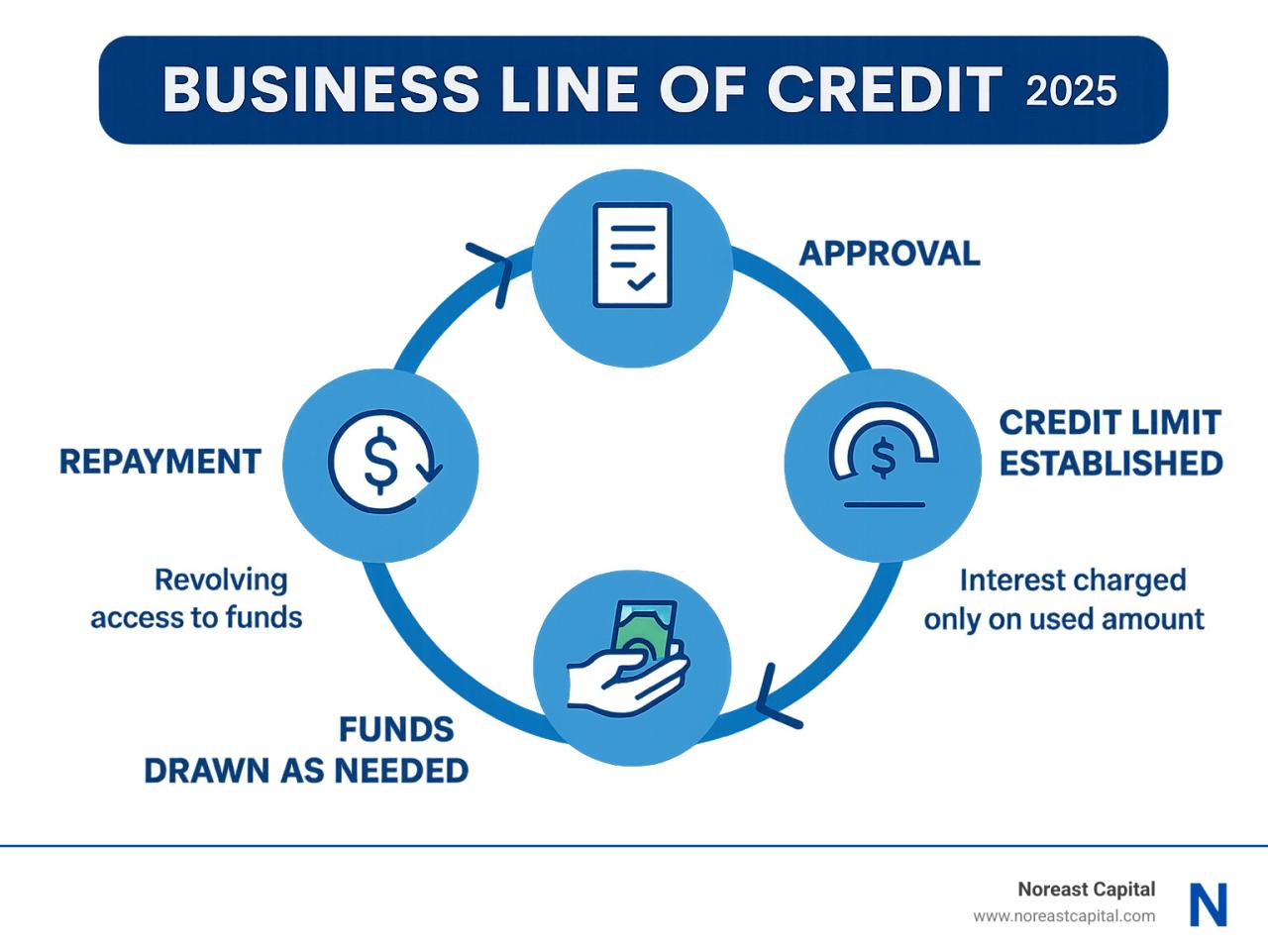
A business line of credit is a flexible financial tool that allows businesses to borrow funds up to a predetermined limit. Unlike a traditional loan where the borrower receives a lump sum upfront, a line of credit provides access to funds on an as-needed basis.
This makes it ideal for managing cash flow fluctuations, covering unexpected expenses, or seizing growth opportunities.
When it comes to business lines of credit, understanding the rates involved is crucial for making informed financial decisions. Interest rates play a significant role in determining the cost of borrowing and managing cash flow effectively.
Interest rates for business lines of credit are typically structured as either variable or fixed. Variable interest rates fluctuate based on market conditions, such as the prime rate, while fixed interest rates remain constant throughout the term of the credit line.
Variable Interest Rates
Offer flexibility as they can change over time.
May start lower than fixed rates but can increase.
Are influenced by market factors and economic conditions.
Fixed Interest Rates
Provide predictability with consistent payments.
Can be higher initially compared to variable rates.
Offer protection against rate hikes in the market.
Several factors can influence the interest rates offered on a business line of credit, including:
It’s essential for business owners to consider these factors and choose the type of interest rate that aligns with their financial goals and risk tolerance. By understanding how rates are structured and what influences them, businesses can make informed decisions when seeking a line of credit.
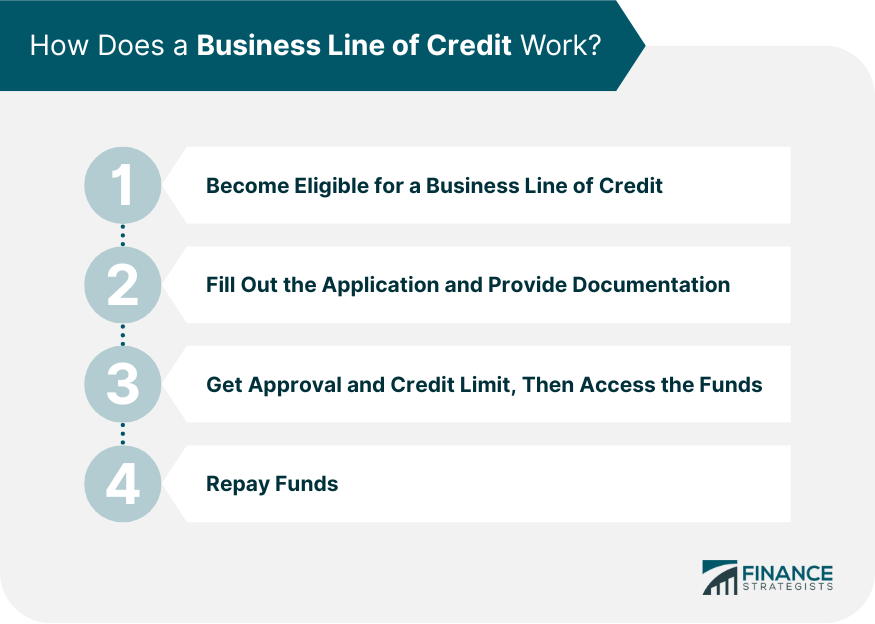
To secure a business line of credit, there are specific criteria that businesses must meet. Moreover, providing the necessary documentation and financial information is crucial for a successful application process. Here, we will delve into the common eligibility requirements and tips to enhance your chances of qualifying for a business line of credit.
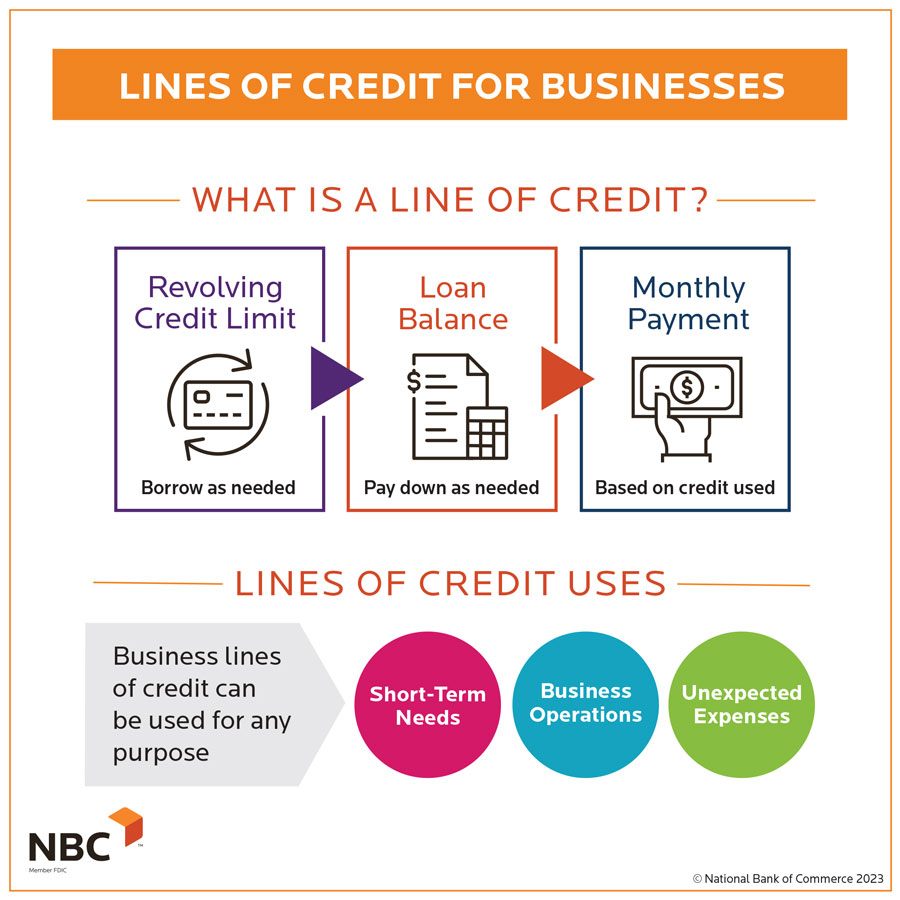
When it comes to accessing funds through a business line of credit, the process is quite straightforward. Once approved for a line of credit, business owners can borrow funds up to a specified credit limit. This provides them with the flexibility to withdraw funds as needed, similar to using a credit card.
Repayments for a business line of credit work based on the amount borrowed. As the business owner repays the borrowed amount, the credit line is replenished, allowing them to borrow again. This flexibility makes it a convenient option for managing cash flow fluctuations and unexpected expenses.
For example, if a business faces a sudden increase in operating expenses, they can use the line of credit to cover the costs and then repay the borrowed amount once their cash flow stabilizes.
What is the minimum credit score required for a business line of credit?
Lenders typically look for a credit score of 680 or higher, but some may accept lower scores depending on other factors.
Can a startup business qualify for a line of credit?
Startups usually find it challenging to qualify for a line of credit due to limited financial history. Building a strong business credit profile is crucial for eligibility.
How quickly can funds be accessed once approved for a business line of credit?
Accessing funds can vary depending on the lender, but typically it can range from a few days to a couple of weeks.